

Managing Editor
@ShahidNShah
@ShahidNShah

Patient safety efforts often focus on clinical spaces. However, non-clinical zones within healthcare facilities also present meaningful risks. Hallways, waiting rooms, administrative offices, storage areas, and break rooms can significantly impact infection control, workplace safety, and the overall patient experience. Addressing these overlooked environments strengthens system-wide protection and supports regulatory compliance.
Waiting rooms accommodate high volumes of visitors with a wide range of health conditions. Shared seating, reception counters, touch screens, and restrooms create multiple points of contact. Without consistent cleaning and monitoring, these surfaces may contribute to the spread of infectious agents.
Crowding increases the likelihood of respiratory transmission during peak periods. Poor ventilation or inadequate air filtration can further elevate exposure risk. Clear signage, accessible hand hygiene stations, and thoughtful furniture layout reduce congestion and encourage preventive behaviors.
Slip and fall hazards are another concern. Spilled beverages, wet entryways, and loose flooring can lead to injuries that complicate care delivery and increase liability.
Administrative areas may appear low risk because they do not involve direct patient treatment. However, shared equipment such as keyboards, telephones, and printers can harbor pathogens. Staff members move between clinical and non-clinical zones, potentially transferring contaminants.
Ergonomic risks also emerge in office settings. Poor workstation design contributes to musculoskeletal strain and repetitive motion injuries. Extended screen time can increase fatigue and reduce attention, affecting overall performance.
Document storage areas require organized systems to prevent fire hazards and maintain data security. Proper environmental controls protect sensitive records and reduce the risk of accidental exposure to confidential information.
Supply rooms and storage closets are essential for daily operations. Improper organization can obstruct emergency access or create tripping hazards. Overstocking may block ventilation systems or compromise fire safety compliance.
Temperature-sensitive supplies must be stored under specific conditions. Failure to maintain appropriate temperature and humidity levels can degrade materials and reduce effectiveness. Routine inspection and inventory management support both safety and efficiency.
Waste disposal zones also demand attention. Segregation of medical waste from general waste prevents contamination. Regular monitoring reduces odor buildup and pest activity that may threaten sanitation standards.
Break rooms provide necessary respite for healthcare workers. At the same time, shared refrigerators, microwaves, and seating areas can become sources of cross-contamination. Clear food storage guidelines and scheduled cleaning routines limit exposure risks.
Staff fatigue increases the chance of workplace injury. Safe furniture placement, adequate lighting, and clutter-free pathways support employee well-being. Attention to these details reinforces a culture of safety beyond patient-facing areas.
Facilities often rely on structured maintenance plans and professional janitorial services to maintain hygiene standards across both clinical and non-clinical spaces. Comprehensive cleaning protocols extend protection throughout the entire building.
Non-clinical areas play a critical role in healthcare safety. Environmental hazards, infection risks, and ergonomic concerns do not disappear outside treatment rooms. Consistent oversight, routine maintenance, and thoughtful design choices strengthen protection for patients, visitors, and staff. Look over the infographic below for more information.

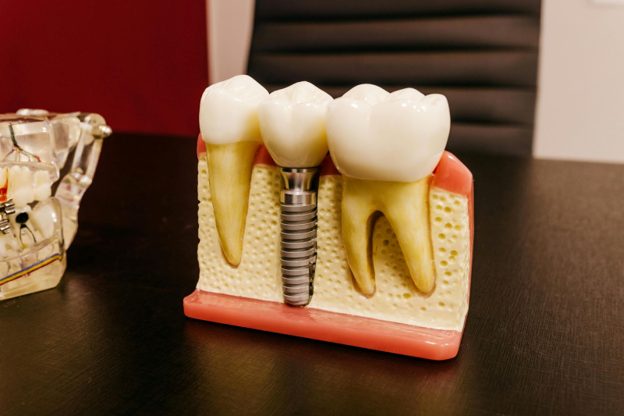
Finding the right dental provider for your child is an important decision. Early experiences at the dentist can shape a child’s attitude toward oral healthcare for years to come. A positive …
Posted Mar 3, 2026 Dental Care Dentistry
Connecting innovation decision makers to authoritative information, institutions, people and insights.

Medigy accurately delivers healthcare and technology information, news and insight from around the world.
Medigy surfaces the world's best crowdsourced health tech offerings with social interactions and peer reviews.
© 2026 Netspective Foundation, Inc. All Rights Reserved.
Built on Mar 25, 2026 at 1:20pm
