

Managing Editor
@ShahidNShah
@ShahidNShah
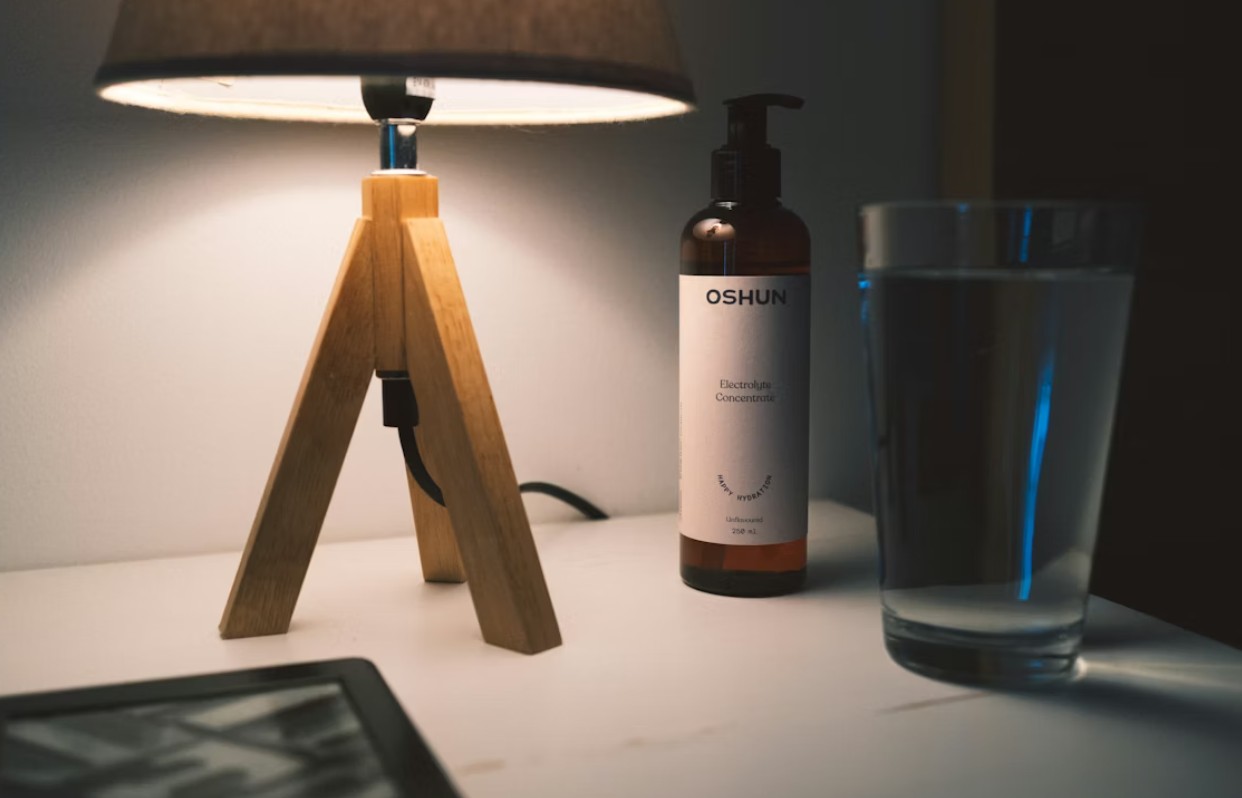
Living with POTS is rarely about one dramatic moment of dehydration. More often, it is a long day of managing symptoms that shift from morning to afternoon to evening. You might wake up dizzy, feel more stable for a while, then hit a wall later in the day with fatigue, brain fog, or standing intolerance. That is why many people searching for the best healthy electrolyte for people with POTS are not really looking for a sports drink. They are looking for something they can actually live with.
For most people with POTS, hydration support needs to be frequent, practical, and easy to repeat. The best option is not always the one with the highest sodium number on the label. It is the one you can tolerate, keep nearby, and use consistently without turning hydration into another exhausting task.
POTS hydration is not a one-and-done routine. Chugging a large electrolyte drink once in the morning may help briefly, but symptoms often return when intake is not spread across the day. Research supports the role of increased sodium and fluid intake in many people with POTS; for example, a clinical study on high sodium intake in POTS found that a high-sodium diet increased plasma volume and reduced upright heart rate in patients with POTS.
That is part of what makes POTS so frustrating. Your needs can change hour by hour. Morning dizziness may call for gentle hydration early. Afternoon fatigue may make it harder to prepare or finish a strongly flavored drink. On higher-symptom days, even taste, nausea, or appetite issues can make regular hydration harder to maintain.
This is why the best electrolytes for POTS tend to work best when they fit into normal life. They need to be easy enough for workdays, travel, errands, and low-energy days. In real life, sustainable hydration usually matters more than the most aggressive formula.
For many people with POTS, small and frequent intake works better than trying to overload all at once. Steady support is often easier on the body and easier to maintain.
A product can look great on paper and still fail in real life. If it is hard to mix, hard to carry, or unpleasant to drink, it becomes one more thing to avoid. The best electrolyte is the one you will actually use.
Many people with POTS also deal with nausea, GI sensitivity, or low appetite. Very sweet, highly flavored, or overly salty products can become difficult to tolerate, especially during symptom flares.
POTS hydration is not just about the first drink of the day. Many people do better with support that can follow them from morning through evening, across water, tea, juice, or whatever they are able to drink.
Buoy stands out because it is designed for ongoing hydration, not occasional recovery. It is tasteless, liquid, and easy to add to different drinks throughout the day. For people with POTS, that matters. Flavor fatigue is real, and on difficult days, strong tastes can be enough to make hydration feel impossible.
It is also free from sugar and sweeteners, which can make it a gentler option for sensitive systems. Rather than asking you to commit to one large flavored drink, it works more like a flexible hydration routine.
Continuous hydration across the day. It works well for adding to water, tea, juice, or other beverages you are already drinking.
The biggest advantage is reduced friction. When hydration feels easier, consistency improves. That is what makes best electrolytes for people with POTS such an important category for patients trying to build a routine that actually lasts. Buoy feels built for that purpose: low effort, adaptable, and realistic for daily symptom management.
Hy-Lyte offers liquid electrolyte support without sugar, which appeals to people who want more control over intake.
Supplementing sodium intake when you want a liquid option rather than a powder packet.
The salty taste can be strong. For some people with POTS, that may be manageable occasionally but hard to tolerate several times a day.
Trace mineral concentrates can help support broader mineral intake beyond sodium alone.
Midday support or adding extra mineral balance to a hydration routine.
Taste is often the issue. Many sensitive users find mineral concentrates difficult to sip regularly, especially during symptom-heavy days.
Re-Lyte can be useful for people who need a higher sodium option and want something more intense.
High-symptom moments or more demanding hydration situations.
It is not always ideal for all-day sipping. The stronger taste profile and heavier feel may work better as a targeted tool than a constant companion.
Pedialyte is familiar, accessible, and often useful during illness or acute dehydration.
Recovery situations, stomach bugs, or times when dehydration is more urgent than routine.
It contains sugar, which may not be ideal for daily use. For ongoing POTS management, many people want something they can use more frequently.
Liquid I.V. can provide fast hydration support and is widely available.
Occasional use when you want a quick electrolyte boost.
Its sugar content and sweeter taste make it less practical for repeated, everyday intake, especially for people who get tired of flavored drinks quickly.
This is a cleaner-label powder option that may appeal to active people with POTS who still want performance-style hydration.
Exercise, warmer days, or situations where a flavored mix feels more appealing.
It still requires mixing and comes with a flavor commitment. That makes it less convenient for steady, all-day support.
Morning can be one of the hardest parts of the day with POTS. Gentle, easy hydration often works better than forcing down a large drink. Buoy fits well here because it can be added to whatever you are already able to tolerate.
This is where consistency matters most. Smaller amounts across the day often help more than waiting until symptoms spike. Buoy or Trace Minerals can fit here, depending on taste tolerance.
When symptoms feel more intense, some people may prefer a stronger sodium option like Re-Lyte. This is less about routine and more about targeted support.
If you are sick, run down, or clearly dehydrated, products like Pedialyte or Liquid I.V. may have a place. They are just not always the best long-term fit for everyday POTS management.
A lot of electrolyte marketing is built around workouts, sweat, and recovery. POTS is different. The goal is not to slam one drink after a hard session. The goal is to stay more stable across an unpredictable day.
That is why “chugging electrolytes” does not always work well. It can feel too intense, too sweet, too salty, or simply too hard to keep repeating. Taste also becomes a barrier faster than people expect. A product may seem fine at first, then become something you avoid by day three.
Consistency usually beats intensity. That is where Buoy has a clear advantage. It is built for frequent, effortless use rather than occasional performance hydration.
Keep electrolytes within reach so you do not have to think too hard about using them.
Add them to multiple drinks instead of relying on one large serving.
Avoid overloading all at once if smaller intake feels better.
Pay attention to your body’s signals. Some days call for steady support, while others may need something stronger.
For people with POTS, hydration is usually less about finding the most intense product and more about finding the most usable one. The right choice should support consistency, feel tolerable, and fit into the rhythm of daily life.
That is why Buoy stands out. It is not just another electrolyte product. It works as a daily-use system that removes friction from hydration, which is exactly what many people with POTS need most. When symptoms are already unpredictable, the best support is often the option that makes one part of the day feel easier, not harder.


Continuity of care is one of the most important—and most fragile—elements within assisted living environments. Residents rely on consistency not just for medical oversight, but for emotional …
Posted Apr 1, 2026 Care Management
Connecting innovation decision makers to authoritative information, institutions, people and insights.

Medigy accurately delivers healthcare and technology information, news and insight from around the world.
Medigy surfaces the world's best crowdsourced health tech offerings with social interactions and peer reviews.
© 2026 Netspective Foundation, Inc. All Rights Reserved.
Built on Apr 1, 2026 at 1:11pm