

Managing Editor
@ShahidNShah
@ShahidNShah
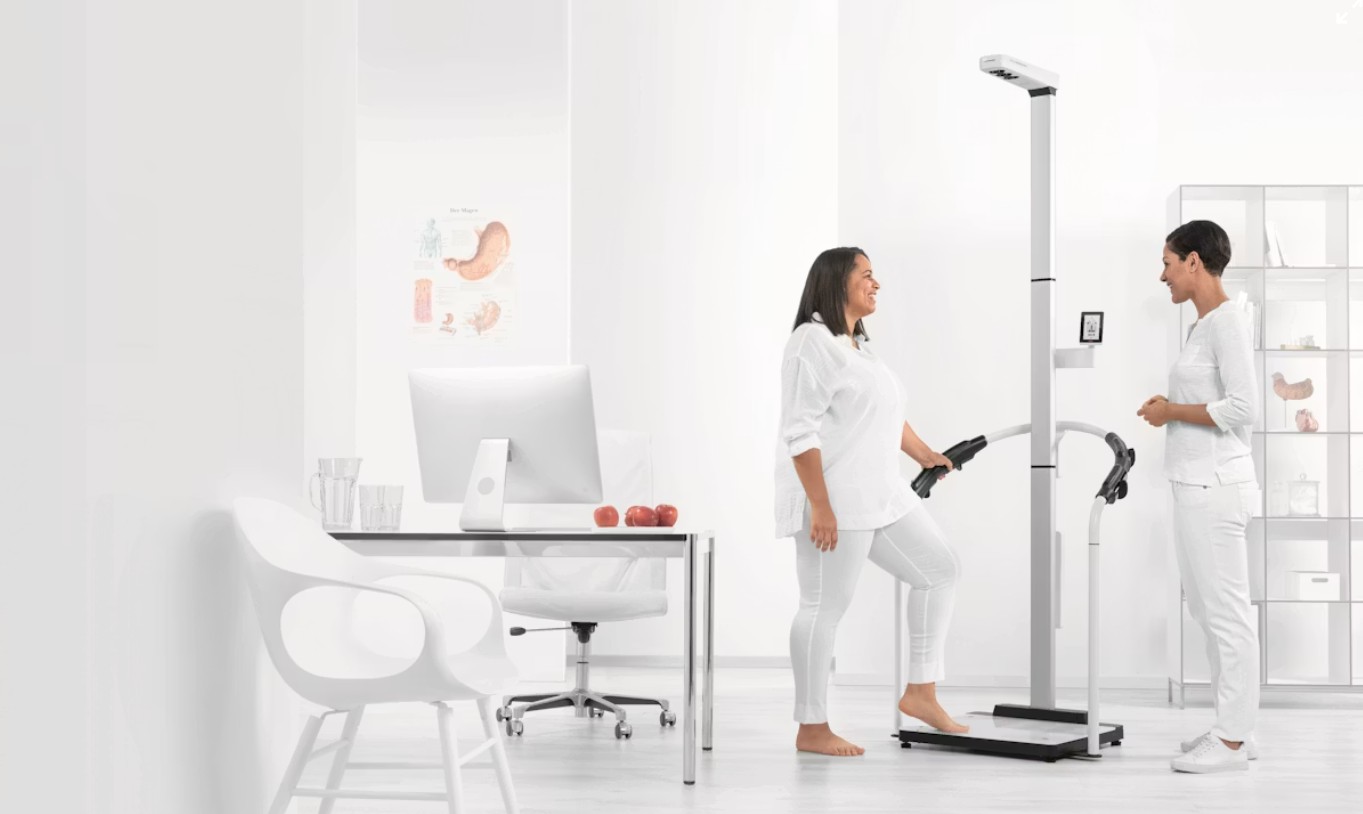
Most fitness facilities underestimate how much the wrong body composition scanner costs them, and not just financially. The best body composition scan equipment closes the gap between client guesswork and measurable progress, but choosing between BIA, DEXA, and 3D imaging is genuinely confusing. DEXA delivers clinical precision yet demands radiation licensing and trained operators. Accuracy varies wildly across technology types. After reviewing dozens of devices across medical, fitness, and corporate wellness settings, one thing becomes clear: the technology you pick shapes every outcome downstream. This guide breaks down the top five options worth considering.
Options were assessed by pulling publicly available information from official product pages, user reviews, case studies, and fitness industry directories. Only brands with a demonstrated track record serving fitness or healthcare environments made the cut. The goal was straightforward: find equipment that actually performs under real-world facility conditions.
→ See the full research breakdown
Picking the right scanner is one of the more consequential decisions a fitness facility or clinic makes. The upfront capital cost of clinical-grade equipment like DEXA scanners can stretch budgets fast, and the variance in accuracy across BIA, DEXA, and 3D technologies means a bad pick doesn’t just waste money, it actively misleads clients.
Equipment that measures body fat percentage with a tight error margin builds client trust in a way that generic scale readings never will. When a facility can show repeatable results with a low coefficient of variation across sessions, clients stay engaged longer, and training programs feel more credible.
And then there’s scanning speed. A scanner that processes multiple clients per hour without sacrificing measurement reproducibility gives a facility a real operational edge. Choosing well means better outcomes, fewer do-overs, and programs that clients actually believe in.
Note: All data in this table is sourced from review platforms and the official websites of the listed companies.
| Company Name | Years Operating | Headquartered In |
| In Body USA | Since 1996 | Cerritos, California |
| Bodystat | Since 1990 | Douglas, Isle of Man |
| COSMED | Since 1980 | Rome, Italy |
| ACCUNIQ | 30+ years | Daejeon, South Korea |
| Charder Medical | Since 1980 | Taichung City, Taiwan |
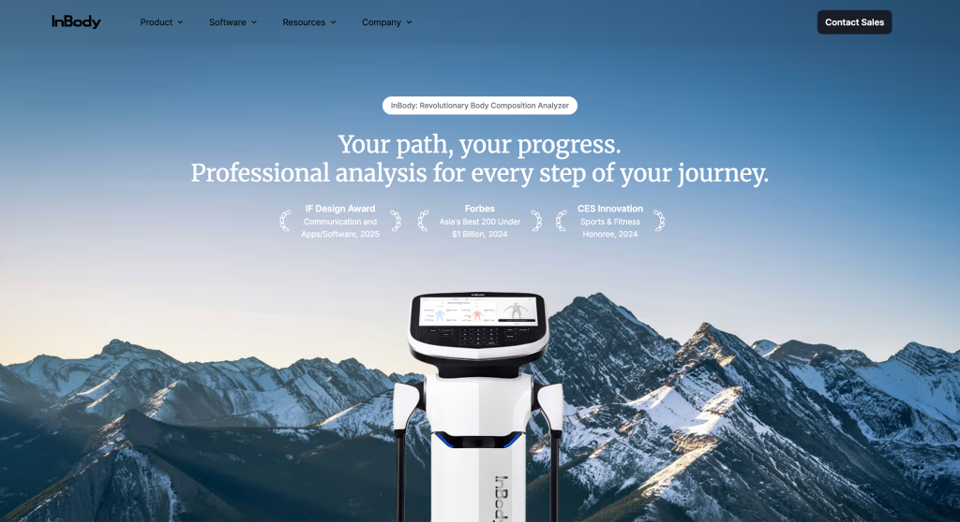
What Services Does In Body USA Provide?
InBody USA builds advanced body composition analyzers using their proprietary DSM-BIA and 8-Point Tactile Electrode System technology, delivering full analysis results in under two minutes. Their devices measure body fat percentage, basal metabolic rate, muscle mass, and muscle balance across settings that range from corporate wellness programs to major medical organizations. Facilities serious about tracking client progress can count on a body composition scan by InBody USA to deliver clinically validated readings that hold up under scrutiny. They also carry complementary tools like blood pressure monitors and stadiometers.
What Sets In Body USA Apart from Body Composition Scan Equipment?
Most BIA devices require a leap of faith in accuracy. InBody USA’s technology was validated at 98% accuracy against DEXA in research conducted at Mayo Clinic, which closes that credibility gap considerably. That level of clinical validation, combined with deployments at Cincinnati Children’s Hospital, Cirque du Soleil, and 200-plus Restore Hyper Wellness locations, shows they’re legitimate across genuinely diverse settings.
Real User Sentiment:
Facilities consistently praise the speed and reliability of InBody’s readings, with many noting that clients respond better to the detailed output compared to simpler devices. The multiple design awards (including the Red Dot and iF Design Award) come up frequently too, and honestly, those mentions reflect real satisfaction with the build quality, not just the specs.
What Services Does Bodystat Provide?
Bodystat specializes purely in BIA technology, producing portable hand-held devices that measure fat-free mass, body fat, and fluid shifts non-invasively. They’ve been focused on this single discipline since 1990, which shows in the depth of their validated research portfolio. Their devices serve fitness centers, renal dialysis clinics, and pharmaceutical studies, and the portability factor makes them a practical pick for practitioners who move between locations. ISO 13485:2003 accreditation backs the medical credibility.
What Sets Bodystat Apart from Body Composition Scan Equipment?
Bodystat solves the “too complicated for everyday use” problem well, producing devices that require no special training to operate yet deliver results comparable to DXA and hydrostatic weighing methods. That kind of accessibility is rare at this level of clinical validity, and it matters enormously for fitness instructors who need reliable data without a steep learning curve.
Real User Sentiment:
Users consistently highlight the personal customer service as a genuine differentiator. The feedback patterns show that clients appreciate being able to reach a real person rather than an automated system, and for smaller facilities or independent practitioners, that support structure carries real weight.
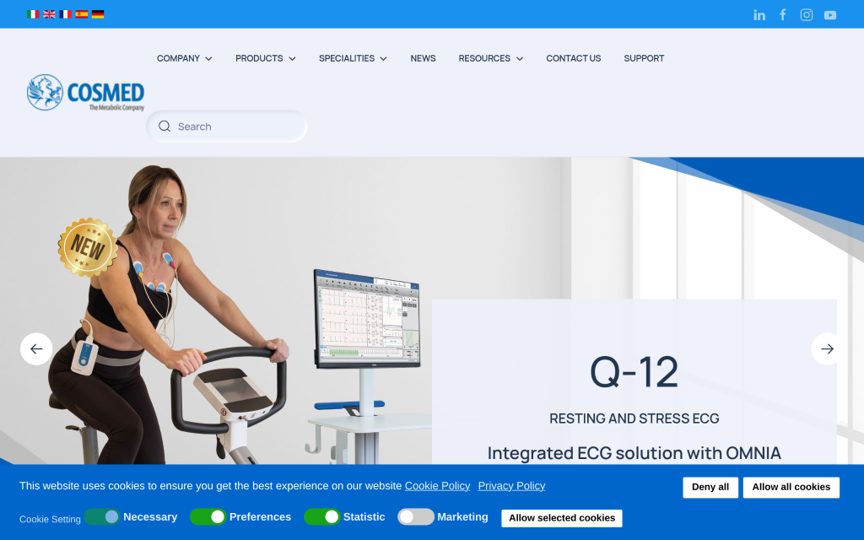
What Services Does COSMED Provide?
COSMED covers pulmonary function testing, cardiopulmonary exercise testing, indirect calorimetry, and body composition assessment from their Rome-based manufacturing operation. Founded in 1980, they’ve built out eight subsidiaries and a network of 60-plus business partners across 100-plus countries. Their equipment meets guidelines from ATS, ERS, AHA, and ACSM, so when a sports science lab or clinical setting needs evidence-based measurement, COSMED’s catalog covers it thoroughly. Their quality standards include ISO 13485:2016, ISO 9001:2015, and MDSAP compliance (not cheap, but worth it for high-stakes settings).
What Sets COSMED Apart from Body Composition Scan Equipment?
COSMED addresses a specific gap: the need for one manufacturer to cover metabolic, respiratory, and body composition assessment without mixing brands and calibration systems. Four decades of specialization and a 2013 ERS Product of Outstanding Interest Award back that claim with something more than marketing copy.
Real User Sentiment:
COSMED earns consistent respect from sports scientists and clinical practitioners who value the breadth of the platform. The depth of the product line is frequently mentioned as the reason facilities don’t look elsewhere once they’ve committed to the ecosystem.

What Services Does ACCUNIQ Provide?
ACCUNIQ develops body composition analyzers and blood pressure monitors backed by 30-plus years of diagnostic medical device research. Their BC series analyzers use electrical impedance technology and report 98% correlation accuracy with DEXA standards, which gives fitness facilities a strong data foundation for customized workout prescriptions. The BP850 blood pressure monitor is particularly noted as the world’s first FDA-approved double arm device, targeting early cardiovascular risk detection. Major World Gym chains have adopted their equipment globally, which speaks to the operational scalability.
ACCUNIQ fills a real need for fitness chains that want both body composition and cardiovascular screening under one product family without managing multiple vendor relationships. Their market-validated adoption by large gym networks suggests the devices hold up reliably in high-volume environments (think enterprise pricing, but scaled for gym chains).
Real User Sentiment:
Recognition through the Prime Minister Award, National Venture Company President Award, and multiple awards comes through in how the brand is discussed in industry circles. Credibility and device accuracy are the most frequently cited reasons facilities recommend them to peers.
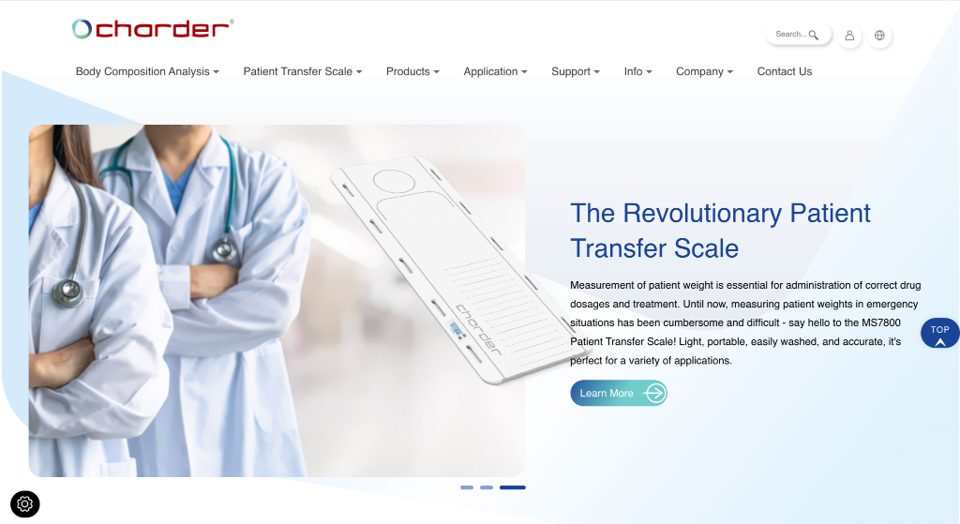
What Services Does Charder Medical Provide?
Charder Medical designs and manufactures body composition analyzers, height measurement stadiometers, grip strength dynamometers, and precision scales, covering the full measurement toolkit that fitness and clinical settings need. Operating since 1980 out of Taichung City, Taiwan, they manage the entire product lifecycle internally, from design through manufacturing, testing, training, and after-service support. ISO 9001, ISO 13485, CE, and FDA compliance back their medical credibility. Their global distributor network makes access reasonably straightforward for facilities outside Asia.
What Sets Charder Medical Apart from Body Composition Scan Equipment?
Charder tackles the fragmentation problem that plagues many facilities, where body composition, height, grip strength, and weight data come from four different vendors with incompatible reporting. Their end-to-end manufacturing and service model means fewer compatibility headaches and a more consistent support experience across the product range.
Real User Sentiment:
The German iF Design Award for their MG4800 dynamometer and the Taiwan Excellence 2021 Award for their MA801 Body Composition Analyzer come up frequently in discussions about the brand. Honestly, award recognition at this level across two continents signals that their product quality is consistently strong rather than a single-product fluke.
Building this list started with broad sourcing across fitness equipment directories, healthcare technology databases, product review platforms, and publicly available case study archives. The goal was to cast a wide net before narrowing down, so no recognized players were filtered out prematurely.
The initial research phase pulled product details, company backgrounds, and stated capabilities directly from official websites and third-party listing pages. Case studies from gyms, clinical settings, and corporate wellness programs were reviewed to understand real-world application contexts. Brand histories, founding years, and general team scale were noted to gauge operational maturity and staying power in the market.
After the initial sweep, options with thin or unverifiable track records were removed. Review patterns across multiple platforms were analyzed to check for consistency. Brands where user sentiment was sparse or contradictory were deprioritized in favor of those showing a clear and repeatable pattern of performance across diverse user types.
Each shortlisted company’s stated capabilities were cross-referenced against publicly available customer reviews and documented deployments. Where a manufacturer claimed clinical-grade accuracy or organizational adoption, those claims were checked against named client references, published case material, or independent research citations. Discrepancies between marketing language and documented real-world outcomes were flagged and factored into placement decisions.
Awards, published mentions, and appearances in peer-reviewed or professional industry contexts were evaluated as supporting signals of credibility. Recognition from bodies like the Red Dot Design organization, the ERS, or major consumer electronics events was treated as a meaningful indicator that a company’s work has been assessed outside its own promotional materials. Longevity in the market was also weighed here, since sustained operation across decades typically reflects genuine product reliability.
The final pass focused on body composition measurement specifically. Each company’s dedicated product pages, verified customer reviews mentioning accuracy and scan consistency, and any published clinical validation data were reviewed. Equipment that showed documented performance in real fitness or healthcare environments, rather than only theoretical specifications, was ranked more favorably. Companies with a clear operational fit across the target settings (gyms, clinics, corporate wellness, sports science) carried stronger standing in the final list.
Selecting the right scanner comes down to more than accuracy specs on a data sheet. The equipment needs to fit the specific setting, the team’s technical capacity, and the volume of clients moving through the facility each day.
Body composition scanning is no longer a nice-to-have for serious fitness facilities and clinical settings. The gap between BIA, DEXA, and 3D options is real, and the wrong pick costs more than money. InBody USA leads on clinical validation, Bodystat wins on portability, COSMED suits advanced clinical environments, ACCUNIQ fits large fitness chains, and Charder Medical covers full measurement ecosystems. As client expectations for precision keep rising, facilities that invest in validated scanning technology now will be the ones building genuine long-term retention.


The brain undergoes rapid growth throughout infancy, childhood, and adolescence. During these stages, nutrition provides the building blocks needed for learning, memory, emotional regulation, and …
Posted Jul 6, 2026 Wellness & Prevention
Connecting innovation decision makers to authoritative information, institutions, people and insights.

Medigy accurately delivers healthcare and technology information, news and insight from around the world.
Medigy surfaces the world's best crowdsourced health tech offerings with social interactions and peer reviews.
© 2026 Netspective Foundation, Inc. All Rights Reserved.
Built on Oct 18, 2026 at 6:05pm