

Managing Editor
@ShahidNShah
@ShahidNShah
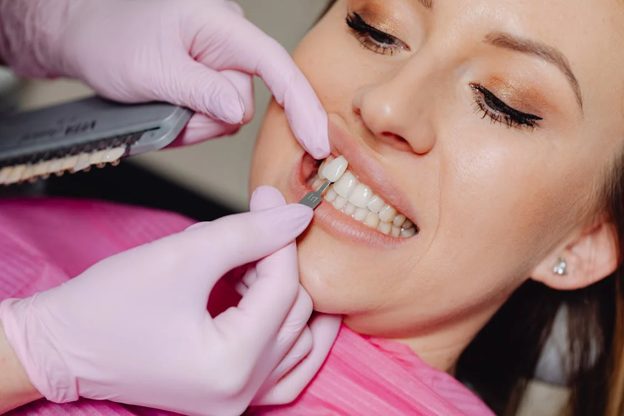
In 2024, over 2.3 million Americans received dental veneers—a 40% increase from just five years ago. What’s driving this surge isn’t just vanity; it’s the growing understanding that veneers offer both cosmetic enhancement and protective benefits that can preserve natural teeth for decades. While many people think of veneers as purely aesthetic, dental professionals are increasingly recommending them for patients with worn enamel, minor chips, and persistent staining that threatens long-term oral health.
The stakes are higher than most people realize. Damaged or severely stained teeth don’t just affect your confidence—they can lead to more invasive treatments down the road. A single crown can cost $800-1,500, while extensive restorative work often runs into thousands. Veneers, when properly applied, can prevent these escalating interventions while delivering the aesthetic results patients want.
This comprehensive guide explores why millions of people are choosing veneers, examining both the immediate cosmetic benefits and the long-term protective advantages that make them a strategic investment in oral health. You’ll discover how different types of veneers work, what the science says about their durability, and how they compare to other cosmetic dental options.
Dental veneers are ultra-thin shells—typically 0.5 to 0.7 millimeters thick—that bond permanently to the front surface of teeth. Think of them as protective covers that simultaneously enhance appearance and shield the underlying tooth structure from further damage.
The transformation potential is remarkable. Veneers can correct multiple aesthetic issues simultaneously: discoloration that doesn’t respond to whitening, minor chips and cracks, small gaps between teeth, slightly crooked teeth, and worn-down surfaces that make you look older. Unlike temporary cosmetic solutions, veneers integrate with your natural tooth structure, creating results that look and function like healthy, natural teeth.
What sets veneers apart from other cosmetic treatments is their dual purpose. While whitening only addresses color and orthodontics only repositions teeth, veneers can simultaneously improve color, shape, size, and alignment while providing a protective barrier against future staining and wear. For patients exploring cosmetic dental treatments, veneers often stand out because they address several aesthetic concerns at once, making them a more efficient and cost-effective option than pursuing multiple separate procedures.
The bonding process creates a seal that’s actually stronger than natural enamel in some ways. Modern dental adhesives form molecular bonds that can last 15-20 years with proper care, meaning veneers aren’t just covering problems—they’re preventing them from worsening.
Understanding the veneer placement process reveals why this treatment offers such lasting results and why it requires careful consideration before proceeding.
The process begins with comprehensive evaluation using digital imaging and sometimes 3D modeling. Your dentist examines tooth structure, bite alignment, and gum health to determine whether you’re a good candidate for veneers. Not everyone qualifies—patients with severe grinding habits, significant tooth decay, or insufficient enamel may need alternative treatments first.
During preparation, your dentist removes a thin layer of enamel from the front surface of each tooth receiving a veneer. This removal—typically 0.5-0.7 millimeters—is necessary to prevent the final result from looking bulky or affecting your bite. This step is irreversible, which is why careful planning is essential. However, the amount of enamel removed is minimal compared to what’s required for crowns, making veneers a more conservative option for many cosmetic concerns.
After preparation, your dentist creates impressions or digital scans of your teeth. These serve as blueprints for custom-crafted veneers that match your desired shape, size, and color. While permanent veneers are being fabricated—typically a 1-2 week process—you’ll wear temporary veneers to protect the prepared teeth and maintain normal function.
The placement appointment involves careful cleaning and etching of the tooth surface to optimize bonding. Each veneer is individually positioned and bonded using light-activated cement that cures in seconds. The precision required is considerable; even minor misalignment can affect your bite and long-term comfort.
Final adjustments ensure proper bite alignment and smooth edges. This attention to detail during placement directly impacts how long veneers will last and how natural they’ll feel during daily use. Properly placed veneers should feel like your natural teeth within a few days as you adapt to any minor changes in thickness.

The veneer landscape has evolved significantly, with different materials and techniques offering distinct advantages depending on your specific needs and circumstances.
Porcelain veneers represent the gold standard for durability and aesthetics. Made from high-grade ceramic materials, they resist staining better than natural enamel and maintain their color for decades. Porcelain’s translucent properties closely mimic natural tooth enamel, creating results that are virtually indistinguishable from healthy natural teeth, even under close examination.
The manufacturing process for porcelain veneers involves high-temperature firing that creates a dense, non-porous surface. This density explains why porcelain veneers resist coffee, wine, and tobacco stains that would discolor natural teeth or composite materials. Clinical studies show porcelain veneers maintain their original shade for 15-20 years with normal care.
Composite veneers, made from tooth-colored resin, offer a more conservative approach. They can often be placed in a single appointment without the extensive preparation required for porcelain. However, composite materials are more porous and prone to staining over time. They typically need replacement or refinishing every 5-7 years, making them better suited for temporary solutions or patients who want to test the aesthetic before committing to porcelain.
No-prep veneers like Lumineers represent an ultra-conservative option that requires minimal or no enamel removal. These ultra-thin porcelain shells—about 0.3 millimeters thick—can be bonded directly to natural teeth in many cases. However, the lack of preparation can sometimes result in a bulkier appearance, and they’re not suitable for all aesthetic concerns, particularly significant color changes or major shape modifications.
Snap-on veneers are removable covers that fit over your natural teeth without any permanent alteration. While they offer an affordable way to temporarily improve your smile’s appearance, they don’t provide the protective benefits of bonded veneers and can affect speech and eating. They’re best viewed as a cosmetic appliance rather than a dental treatment.
The choice between these options depends on your aesthetic goals, budget, and willingness to commit to permanent changes. For patients seeking the most natural-looking, long-lasting results with protective benefits, traditional porcelain veneers remain the preferred choice despite requiring some enamel removal.
The appeal of veneers extends far beyond simple cosmetic enhancement—they offer a unique combination of aesthetic improvement and tooth protection that many patients find compelling.
From an aesthetic standpoint, veneers can address virtually any visible tooth imperfection. Severe staining that doesn’t respond to professional whitening becomes a non-issue; porcelain veneers can achieve any shade of white while maintaining natural-looking translucency. Minor orthodontic issues—small gaps, slightly rotated teeth, or minor crowding—can be corrected instantly without years of orthodontic treatment.
The shape and size modification capabilities are particularly valuable for patients with naturally small teeth, worn-down surfaces from grinding, or teeth that appear too short due to excessive gum tissue. Veneers can create the ideal tooth proportions that enhance your overall facial aesthetics, often taking years off your appearance.
But the protective benefits are equally significant. Veneers act as a barrier against acid erosion, which is increasingly common due to dietary habits and gastroesophageal reflux. For patients with worn enamel from grinding or aging, veneers can restore proper tooth length and protect against further wear. This protective function is crucial because once natural enamel is lost, it doesn’t regenerate.
Research published in the Journal of Prosthetic Dentistry shows that properly placed veneers can actually strengthen teeth by distributing bite forces more evenly across the tooth surface. This is particularly beneficial for teeth with minor cracks or chips that might worsen over time without protection.
The stain resistance of porcelain veneers also provides long-term aesthetic protection. While natural teeth gradually yellow and stain over decades, porcelain maintains its original color, essentially freezing your teeth at their optimal appearance. This benefit becomes more valuable over time, as the contrast between treated and untreated teeth becomes more apparent.
The long-term implications of veneer placement deserve careful consideration, as they involve both benefits and responsibilities that extend decades into the future.
Durability research consistently shows that high-quality porcelain veneers can last 15-20 years or longer with proper care. A landmark study following patients for over 20 years found that 95% of porcelain veneers remained functional and aesthetically pleasing after two decades. This longevity makes them cost-effective when compared to repeated treatments with less durable alternatives.
The stain resistance of porcelain is scientifically remarkable. Unlike natural enamel, which has microscopic pores that trap staining molecules, fired porcelain creates a non-porous surface that resists discoloration. Laboratory tests show that porcelain veneers exposed to coffee, red wine, and tobacco maintain their original color while natural teeth show significant staining under the same conditions.
However, the irreversible nature of veneer preparation requires commitment to maintaining them. Once enamel is removed, those teeth will always need some form of covering—whether replacement veneers or crowns. This isn’t necessarily problematic, but it’s a permanent change that affects your dental treatment options for life.
Tooth sensitivity can occur after veneer placement, though it’s typically temporary. The removal of enamel can expose nerve endings that weren’t previously stimulated, leading to temperature sensitivity that usually resolves within a few weeks as the nerve adapts. For the small percentage of patients who experience persistent sensitivity, desensitizing treatments are usually effective.
The impact on bite functionality is generally positive when veneers are properly designed and placed. Patients with worn teeth often find that veneers restore proper bite relationships, reducing jaw strain and improving chewing efficiency. However, significant bite changes require careful adjustment to prevent complications with jaw joint function.
Understanding when veneers are the optimal choice requires comparing them to alternative treatments that address similar concerns.
Composite veneers offer immediacy and reversibility that porcelain veneers don’t. They can be shaped and polished chairside in a single appointment, making them ideal for minor repairs or patients who want to test aesthetic changes before committing to porcelain. The material cost is lower, making composite veneers more accessible initially. However, their shorter lifespan and higher maintenance requirements often make them more expensive over time.
The aesthetic difference is significant under close examination. Composite materials, while color-matched to your teeth, lack the depth and translucency of porcelain. They’re also more prone to chipping and wear at the edges, particularly for patients who grind their teeth or have heavy bite forces.
Dental crowns cover the entire tooth rather than just the front surface, making them appropriate for teeth with significant structural damage, large fillings, or extensive decay. Crowns require more extensive tooth preparation—often removing 60-70% of the natural tooth structure compared to the 5-10% removed for veneers. This makes crowns more invasive but also more suitable for teeth that need substantial reinforcement.
The choice between veneers and crowns often comes down to the extent of existing damage and the amount of natural tooth structure remaining. Veneers work best for teeth that are structurally sound but aesthetically compromised, while crowns are necessary when teeth need comprehensive protection and reinforcement.
Cost considerations vary significantly by region and complexity, but veneers typically cost less than crowns while providing superior aesthetics for front teeth. The key is matching the treatment to the specific problem—using the most conservative approach that will provide lasting results.
Several persistent myths about veneers can prevent patients from making informed decisions about their oral health and aesthetic goals.
The belief that veneers “damage” your natural teeth stems from misunderstanding the preparation process. While enamel removal is permanent, the amount removed is minimal—typically less than the thickness of a fingernail. This preparation is necessary to achieve natural-looking results and proper function. The alternative of adding thickness without preparation often results in bulky, unnatural-looking teeth that affect speech and bite function.
Many patients worry that veneers look obviously artificial, but this concern reflects outdated techniques and materials. Modern porcelain veneers, when properly designed and placed, are virtually indistinguishable from natural teeth. The key lies in working with experienced cosmetic dentists who understand the subtle variations in color, translucency, and surface texture that create natural-looking results.
The misconception that veneers require special care stems from confusion about their durability. While veneers shouldn’t be subjected to extreme forces—like opening packages with your teeth or chewing ice—normal eating and oral hygiene practices are perfectly safe. In fact, the stain resistance of porcelain means that veneered teeth often stay whiter than natural teeth with standard care.
Some patients believe that veneers will eventually fall off, but modern bonding techniques create bonds that are stronger than the porcelain itself. When veneers do fail, it’s typically due to underlying tooth problems, trauma, or inadequate initial bonding—not spontaneous detachment. Properly placed veneers integrated into your tooth structure become a permanent part of your dental anatomy.
The cost misconception—that veneers are purely cosmetic luxuries—ignores their protective benefits. For patients with worn, damaged, or heavily stained teeth, veneers can prevent more extensive and expensive treatments later while providing immediate aesthetic improvement.
Maximizing the lifespan and appearance of your veneers requires understanding how they interact with your oral environment and adjusting your habits accordingly.
Daily oral hygiene for veneered teeth closely resembles care for natural teeth, with some important refinements. While porcelain resists staining, the cement margins where veneers meet natural teeth can accumulate plaque and stains if not properly cleaned. Use a soft-bristled toothbrush and non-abrasive toothpaste to avoid microscopic scratches that could dull the surface over time.
Flossing requires special attention around veneer margins. The transition from porcelain to natural tooth creates a junction that can trap bacteria if not thoroughly cleaned. Your dental hygienist can demonstrate proper technique for cleaning these areas effectively without damaging the veneer edges.
Professional dental cleanings every six months become even more important with veneers. Your hygienist can polish the porcelain surfaces and monitor the integrity of veneer margins, catching potential problems before they become serious. Regular cleanings also help maintain the color match between veneered teeth and natural teeth as your natural teeth may gradually change shade over time.
Protecting veneers from excessive force is crucial for longevity. If you grind your teeth at night, a custom night guard is essential—the forces generated during sleep bruxism can exceed the bond strength of veneers or cause porcelain fractures. Similarly, avoid using your teeth as tools for opening packages, cracking nuts, or chewing on hard objects like ice or pencils.
Athletic activities requiring mouth protection should include a custom athletic guard designed to accommodate your veneers. Standard over-the-counter guards may not fit properly over veneered teeth and could cause damage during impact.
Regular dental examinations allow your dentist to monitor veneer condition and address minor issues before they become major problems. Small chips can often be polished smooth, and minor discoloration at margins can be addressed with professional cleaning or minor refinishing. This proactive approach can extend veneer life significantly beyond the typical 15-20 year expectation.
The investment in proper care pays dividends not just in veneer longevity, but in overall oral health. Patients who maintain excellent oral hygiene with veneers often find that their overall dental health improves, as the attention to care extends to their natural teeth as well.
As cosmetic dentistry continues evolving with new materials and techniques, the fundamental appeal of veneers remains constant: they offer a comprehensive solution that addresses both aesthetic concerns and protective needs. For patients seeking long-term improvement in both appearance and oral health, well-planned and properly maintained veneers represent one of dentistry’s most successful innovations. The key lies in understanding their capabilities, limitations, and requirements—then making an informed decision based on your specific goals and circumstances.


Choosing to enhance your appearance is a significant decision, especially when considering delicate areas like the eyelids. The eyes are often the first feature people notice, and signs of aging, such …
Posted Mar 25, 2026 Cosmetics
Connecting innovation decision makers to authoritative information, institutions, people and insights.

Medigy accurately delivers healthcare and technology information, news and insight from around the world.
Medigy surfaces the world's best crowdsourced health tech offerings with social interactions and peer reviews.
© 2026 Netspective Foundation, Inc. All Rights Reserved.
Built on Mar 26, 2026 at 3:36pm