

Managing Editor
@ShahidNShah
@ShahidNShah
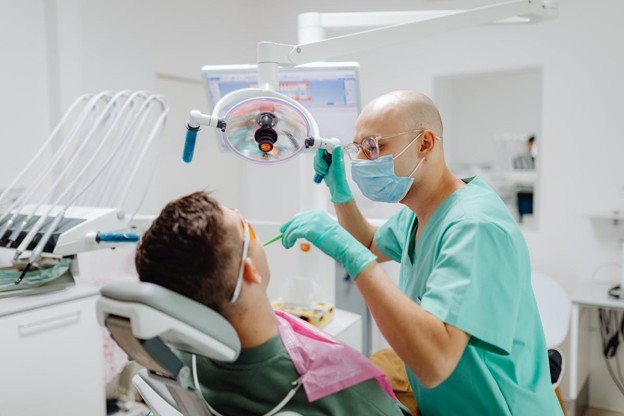
The American Academy of Cosmetic Dentistry reports that 96% of adults believe an attractive smile makes them more appealing, yet only 57% are satisfied with their current smile. This disconnect has created a booming market—cosmetic dentistry procedures increased by 23% in 2024 alone, driven by advances in technology and changing social attitudes about dental aesthetics. What’s particularly striking is how research now shows these treatments deliver benefits far beyond appearance, impacting everything from career success to long-term oral health outcomes.
For millions of people, cosmetic dental treatments represent more than vanity—they’re investments in confidence, health, and quality of life. Yet confusion persists about what these procedures actually accomplish, how they work, and whether the benefits justify the investment. The evidence suggests they often do, but understanding the full scope of advantages requires looking beyond the obvious aesthetic improvements to examine the psychological, social, and health impacts that researchers are only beginning to quantify.
Cosmetic dentistry focuses on improving the appearance of teeth, gums, and overall smile through specialized procedures that enhance color, position, shape, size, and alignment. Unlike emergency dentistry that addresses immediate problems, cosmetic treatments are typically elective procedures designed to create aesthetic improvements while often providing functional benefits.
The fundamental goal extends beyond creating “perfect” smiles. Modern cosmetic dentistry aims to restore natural-looking teeth that complement facial features, improve bite function, and boost patient confidence. This approach recognizes that oral aesthetics significantly impact social interactions, professional opportunities, and psychological well-being—factors that traditional dentistry historically overlooked.
What sets contemporary cosmetic dentistry apart is its integration of art and science. Dentists now use digital smile design software, color-matching technology, and advanced materials that mimic natural tooth properties. The result is treatments that look authentic rather than artificial, addressing one of the primary concerns patients historically had about cosmetic procedures.
The field has evolved from simple whitening and basic veneers to sophisticated smile makeovers involving multiple specialties. Today’s cosmetic dentists often collaborate with orthodontists, periodontists, and oral surgeons to achieve comprehensive results that improve both form and function.
Cosmetic dental procedures operate on several key principles: surface modification, structural enhancement, and alignment correction. Understanding these mechanisms helps explain why modern treatments achieve such dramatic improvements while maintaining long-term durability.
Surface modification treatments like professional whitening work by breaking down stain molecules embedded in tooth enamel. Advanced whitening systems use carbamide peroxide or hydrogen peroxide in controlled concentrations, often activated by specialized lights or heat. This process penetrates enamel to lift both surface and deep stains, achieving results impossible with over-the-counter products.
Structural enhancement procedures, including veneers and bonding, involve applying materials directly to existing teeth. Porcelain veneers require minimal tooth preparation—typically removing just 0.5mm of enamel—before bonding ultra-thin ceramic shells to the front surfaces. Composite bonding uses tooth-colored resin applied in layers, shaped, and cured with special lights to match surrounding teeth perfectly.
Teeth whitening remains the most popular cosmetic procedure, with professional treatments delivering 3-8 shades of improvement in a single session. In-office systems use 15-35% hydrogen peroxide concentrations under controlled conditions, while take-home trays use lower concentrations over longer periods for gradual results.
Porcelain veneers address multiple cosmetic issues simultaneously—discoloration, chips, gaps, and minor misalignment. Each veneer is custom-fabricated in a dental laboratory using impressions or digital scans, ensuring precise fit and natural appearance. The process typically requires two appointments and lasts 10-15 years with proper care.
Dental implants replace missing teeth with titanium posts that integrate with jawbone, supporting crowns that look and function like natural teeth. This process involves surgical placement, healing period (3-6 months), and crown attachment, providing permanent solutions that preserve facial structure and bone health.
Clear aligners gradually shift teeth into proper alignment using series of custom plastic trays. Each set moves teeth approximately 0.25mm, with patients progressing through 15-50 sets depending on complexity. Treatment typically takes 6-18 months and addresses crowding, spacing, and bite issues.
Cosmetic dentistry requires specialized training beyond general practice. Many cosmetic dentists complete additional education through organizations like the American Academy of Cosmetic Dentistry, learning advanced techniques in smile design, material science, and aesthetic principles.
Prosthodontists specialize in tooth replacement and restoration, making them ideal for complex cases involving multiple missing teeth or full mouth reconstructions. Their expertise in bite mechanics and facial aesthetics ensures treatments function properly while looking natural.
Periodontists focus on gum health and aesthetics, crucial for procedures like gum contouring or treating recession that affects smile appearance. Healthy gums provide the foundation for all cosmetic treatments, making periodontal expertise essential for optimal results.
Digital technology now allows specialists to collaborate remotely. 3D imaging and virtual treatment planning enable teams to coordinate complex cases, ensuring each specialist’s contribution integrates seamlessly with the overall treatment plan.
Modern cosmetic dentistry encompasses three main categories: conservative treatments, moderate interventions, and comprehensive smile makeovers. Each category serves different needs and involves varying levels of complexity, cost, and treatment time.
Conservative treatments focus on enhancing existing teeth with minimal alteration. Professional whitening, minor bonding repairs, and gum contouring fall into this category. These procedures typically complete in 1-3 appointments, cost less than $1,500, and provide immediate improvements with minimal risk or recovery time.
Moderate interventions involve more significant changes while preserving most natural tooth structure. Veneers, crowns, and clear aligner therapy require multiple appointments and careful planning but deliver dramatic improvements. Costs range from $3,000-$15,000 depending on complexity, with treatment spanning 2-12 months.
Comprehensive smile makeovers combine multiple procedures to address severe aesthetic issues. These might include orthodontics, gum surgery, multiple veneers or crowns, and tooth replacement. Treatment can take 12-24 months and cost $20,000-$50,000, but results completely transform both appearance and function.
Recent innovations have introduced hybrid approaches that blur these categories. Same-day crowns using CAD/CAM technology, for example, provide moderate-level improvements in a single appointment. Snap-on veneers offer conservative enhancement without permanent tooth alteration. These options expand patient choices and make cosmetic improvements more accessible.
The key to successful treatment lies in matching procedures to patient goals, budget, and oral health status. Conservative treatments work well for minor issues or budget-conscious patients, while comprehensive approaches suit those seeking dramatic transformations or addressing multiple problems simultaneously.
Research reveals that cosmetic dental benefits extend far beyond aesthetic improvements, encompassing psychological, social, professional, and health advantages that impact quality of life in measurable ways. A 2024 study published in the Journal of Esthetic Dentistry found that patients who completed cosmetic treatments reported a 78% improvement in self-confidence and 65% increase in social comfort levels.
The most immediate benefit involves enhanced facial aesthetics. Properly aligned, proportioned teeth improve facial symmetry and support natural lip and cheek contours. Smile improvements can make people appear younger—studies suggest that attractive smiles can make individuals appear 3-5 years younger than their actual age. This happens because healthy teeth are associated with youth and vitality in human perception.
Professional advantages represent another significant benefit category. Harvard Business School research indicates that people with attractive smiles are 58% more likely to receive job offers and 53% more likely to receive salary increases. While correlation doesn’t prove causation, the data suggests that dental aesthetics influence professional perceptions in ways that impact career outcomes.
The functional improvements often surprise patients. Properly aligned teeth distribute bite forces more evenly, reducing wear and potential for fractures. Veneers can strengthen weakened teeth, while implants prevent bone loss that occurs with missing teeth. These functional benefits often extend treatment value beyond the initial aesthetic investment.
Psychological research demonstrates clear connections between dental aesthetics and mental health outcomes. The American Psychological Association reports that smile satisfaction correlates strongly with overall life satisfaction scores. Patients often describe feeling “like themselves again” after cosmetic treatments, suggesting these procedures restore rather than create confidence.
Social anxiety related to dental appearance affects approximately 35% of adults, according to the American Academy of Cosmetic Dentistry. This anxiety can limit social interactions, career networking, and romantic relationships. Cosmetic treatments frequently reduce this anxiety, enabling patients to engage more fully in social and professional situations.
The confidence boost appears most pronounced in the first 6-12 months after treatment, when patients actively notice their improved appearance. However, longitudinal studies suggest that confidence gains persist long-term, becoming integrated into patients’ self-perception and social behavior patterns.
Dating and relationship impacts represent another well-documented benefit. Online dating research shows that profile photos featuring attractive smiles receive 40% more positive responses than those without. While this might seem superficial, confidence in one’s appearance often translates to greater comfort in social situations, potentially improving relationship outcomes beyond initial impressions.
Many cosmetic procedures provide significant oral health advantages that extend beyond aesthetics. Orthodontic treatment, whether traditional braces or clear aligners, improves cleaning access between teeth, reducing cavity and gum disease risk. Research published in the American Journal of Orthodontics found that patients completing alignment treatment showed 45% fewer cavities in the five years following treatment.
Bite correction through cosmetic procedures can eliminate TMJ disorders, reduce teeth grinding, and prevent excessive wear patterns. Patients with severe misalignment often experience jaw pain, headaches, and sleep disruption that resolves after alignment correction. This represents substantial quality of life improvement beyond cosmetic benefits.
Dental implants provide unique health advantages compared to other tooth replacement options. Unlike bridges, which require grinding down adjacent teeth, implants preserve surrounding tooth structure. They also stimulate jawbone, preventing the bone loss that naturally occurs with missing teeth. This preservation maintains facial structure and prevents the sunken appearance common with complete tooth loss.
Veneers and crowns can actually strengthen damaged teeth when properly designed and placed. These restorations distribute bite forces across tooth surfaces, reducing fracture risk. Patients with severely worn or weakened teeth often find that cosmetic restorations improve both appearance and long-term tooth survival.
The distinction between cosmetic and restorative dentistry often confuses patients, particularly since many procedures serve both aesthetic and functional purposes. Understanding these differences helps patients make informed treatment decisions and set appropriate expectations.
Restorative dentistry primarily focuses on repairing damaged or diseased teeth to restore function. Fillings, crowns for broken teeth, and bridges replacing missing teeth fall into this category. Insurance typically covers restorative procedures because they address medical necessity rather than aesthetic preference.
Cosmetic dentistry prioritizes appearance improvements, though functional benefits often accompany aesthetic enhancements. Whitening, veneers for minor imperfections, and orthodontics for mild misalignment are typically cosmetic. Insurance rarely covers purely cosmetic procedures, though some treatments might qualify for partial coverage if functional benefits exist.
The reality is more nuanced than this simple distinction suggests. Many procedures blur the lines—for example, replacing silver fillings with tooth-colored composites serves both aesthetic and health purposes. Similarly, orthodontic treatment might be recommended for functional bite correction but provide significant cosmetic benefits.
Treatment planning approach differs between the disciplines. Restorative dentistry focuses on problem-solving—addressing decay, fractures, or missing teeth. Cosmetic dentistry takes a design approach, considering facial proportions, smile line, and overall aesthetic harmony. This difference in perspective often leads to different treatment recommendations for similar dental conditions.
Modern dental practice increasingly integrates both approaches. Dentists now consider aesthetic outcomes in all treatments, recognizing that patients value both function and appearance. This integration ensures that necessary restorative work doesn’t compromise smile aesthetics, while cosmetic procedures maintain or improve oral health.
Scientific research increasingly supports the psychological, social, and health benefits of cosmetic dental treatments, moving beyond anecdotal evidence to documented outcomes. A comprehensive 2024 meta-analysis published in the International Journal of Dentistry reviewed 47 studies spanning 15 years, finding consistent evidence for improved quality of life measures following cosmetic dental treatment.
Patient satisfaction studies consistently report high success rates. The Journal of Cosmetic Dentistry’s annual survey found that 98% of patients who completed cosmetic treatments reported being satisfied or very satisfied with their results. More importantly, 94% said they would choose the same treatment again, suggesting that benefits meet or exceed initial expectations.
Psychological assessment research using validated instruments shows measurable improvements in self-esteem, social confidence, and overall life satisfaction. The Oral Health Impact Profile (OHIP), a standardized quality of life measurement tool, shows average improvement scores of 3.2 points following cosmetic treatment—considered clinically significant improvement.
Longitudinal studies tracking patients 5-10 years post-treatment reveal that benefits persist over time. While initial enthusiasm might fade, measurable confidence and satisfaction improvements remain stable in long-term follow-up studies. This suggests that cosmetic dental benefits represent permanent rather than temporary improvements.
Clear aligner research has exploded in recent years, providing robust data on effectiveness and patient satisfaction. A 2024 study in the American Journal of Orthodontics compared clear aligners to traditional braces, finding equivalent treatment outcomes for mild to moderate alignment issues. Clear aligner patients reported significantly higher satisfaction with appearance during treatment and fewer lifestyle disruptions.
Interestingly, aligner research reveals benefits beyond tooth movement. Patients often improve their oral hygiene during treatment because aligners require removal for eating and cleaning. Studies show 23% improvement in gum health measures among aligner patients, suggesting that treatment habits create lasting oral health improvements.
Professional whitening research continues to refine techniques and safety protocols. Recent studies demonstrate that professionally supervised whitening causes no permanent enamel damage when performed according to established protocols. The key finding is that concentration and application time must be carefully controlled—professional supervision ensures safe, effective results impossible to achieve with over-the-counter products.
Research also addresses whitening misconceptions. A 2024 study published in the Journal of the American Dental Association found that professional whitening actually increases enamel hardness in some cases, contrary to popular beliefs about enamel weakening. The study attributed this to fluoride treatments typically included in professional whitening protocols.
Leading cosmetic dentists emphasize that treatment success depends heavily on proper case selection and realistic expectations. Dr. Michael Apa, a prominent cosmetic dentist, notes that “the best cosmetic treatments enhance natural beauty rather than creating artificial appearances.” This philosophy guides modern treatment planning toward natural-looking results that complement individual facial features.
Material science advances have dramatically improved treatment outcomes and longevity. New ceramic materials for veneers and crowns exhibit strength characteristics approaching natural enamel while maintaining superior aesthetics. These improvements mean that cosmetic restorations now last 15-20 years on average, compared to 7-10 years for older materials.
Safety protocols have evolved significantly based on research findings. The American Academy of Cosmetic Dentistry now recommends specific preparation techniques, bonding protocols, and maintenance programs that maximize treatment success while minimizing risks. These evidence-based guidelines help ensure consistent, safe outcomes across different practitioners and techniques.
Risk assessment research provides clearer pictures of potential complications. Studies show that serious complications from cosmetic procedures are rare—less than 2% of patients experience significant problems when treatments are performed by qualified practitioners following established protocols. Most complications are minor and easily corrected.
The cosmetic dentistry landscape is rapidly evolving, driven by technological advances, changing patient expectations, and improved understanding of facial aesthetics. Digital technology, artificial intelligence, and new materials are reshaping how treatments are planned, performed, and maintained.
Digital smile design represents one of the most significant current trends. This technology allows dentists to show patients their potential results before treatment begins, using 3D modeling and virtual reality visualization. Patients can literally see their new smile and request modifications before any irreversible procedures occur. This technology reduces miscommunication and ensures patient satisfaction.
Same-day dentistry is expanding beyond simple crowns to include veneers, inlays, and even some orthodontic treatments. CAD/CAM technology enables on-site fabrication of high-quality restorations, eliminating temporary phases and reducing treatment time. This trend particularly appeals to busy professionals who value efficiency and convenience.
Artificial intelligence is beginning to impact treatment planning and outcome prediction. AI systems can analyze facial photographs to suggest optimal smile designs, predict treatment outcomes, and identify potential complications before they occur. While still in early stages, these systems promise to improve treatment precision and reduce revision rates.
Biomimetic materials represent a major advancement in cosmetic dentistry. These materials mimic natural tooth properties more closely than previous generations, providing better aesthetics and improved longevity. New ceramic composites offer the strength of porcelain with the repairability of composite resin, giving patients the best of both worlds.
Minimally invasive techniques continue to evolve, allowing dramatic improvements with less tooth preparation. Prepless veneers, micro-veneers, and advanced bonding techniques preserve more natural tooth structure while achieving excellent aesthetic results. This trend reflects growing emphasis on conservative treatment approaches.
Regenerative dentistry is emerging as a fascinating frontier. Researchers are developing techniques to regenerate natural tooth structure rather than replacing it with artificial materials. While still experimental, early results suggest that natural enamel and dentin regeneration might become reality within the next decade.
3D printing technology is revolutionizing appliance fabrication. Clear aligners, surgical guides, and even temporary restorations can now be printed chairside, reducing costs and delivery times. This technology democratizes advanced cosmetic treatments, making them more accessible to diverse patient populations.
Patient demographics in cosmetic dentistry are shifting significantly. While historically dominated by women aged 35-55, the patient base now includes more men and younger adults. Social media influence and increased awareness of dental aesthetics drive this expansion, creating larger markets for cosmetic procedures.
Treatment expectations are becoming more sophisticated. Patients arrive with specific ideas about their desired outcomes, often influenced by celebrity smiles or social media images. This creates both opportunities and challenges—while patients are more engaged in treatment planning, unrealistic expectations sometimes require careful management.
The economic outlook for cosmetic dentistry remains strong despite periodic economic uncertainties. Cosmetic procedures often represent delayed rather than canceled purchases during economic downturns. Patients view smile improvements as long-term investments in their personal and professional success, making them willing to prioritize these treatments.
Technology integration will likely accelerate, driven by patient demand for efficiency and precision. Virtual consultations, AI-assisted treatment planning, and teledentistry for follow-up care are becoming standard rather than experimental. This technological evolution promises to make cosmetic treatments more accessible and predictable.
How long do cosmetic dental results typically last? Treatment longevity varies significantly by procedure type and patient care. Professional whitening results fade gradually over 1-3 years, depending on diet and habits. Veneers and crowns typically last 10-15 years with proper care, while dental implants can last a lifetime with good maintenance. Clear aligner results are permanent if patients wear retainers as directed.
Are cosmetic dental procedures painful? Most cosmetic procedures involve minimal discomfort. Teeth whitening might cause temporary sensitivity, while veneer preparation typically requires local anesthesia but causes little post-treatment pain. Implant placement involves surgical discomfort for 3-5 days, but pain medications effectively manage symptoms. Modern techniques and materials have significantly reduced pain compared to historical procedures.
How do I choose between different cosmetic treatment options? Treatment selection depends on your specific concerns, budget, timeline, and oral health status. Minor discoloration might respond to whitening, while severe staining requires veneers. Missing teeth need implants or bridges, while alignment issues benefit from orthodontics. Consulting with a qualified cosmetic dentist ensures treatment recommendations match your goals and circumstances.
Will insurance cover any cosmetic dental treatments? Most insurance plans exclude purely cosmetic procedures, but coverage might apply if functional benefits exist. Orthodontics sometimes receives partial coverage for bite correction. Crowns for damaged teeth typically qualify regardless of aesthetic benefits. Review your specific plan details and discuss coverage with your dental office before treatment.
The transformation potential of modern cosmetic dentistry extends far beyond creating attractive smiles. Research demonstrates measurable improvements in confidence, social comfort, professional opportunities, and long-term oral health. As technology continues advancing and techniques become more conservative and precise, these benefits become accessible to broader patient populations. For individuals considering cosmetic dental treatment, the evidence suggests that well-planned procedures deliver lasting value that justifies the investment—not just in appearance, but in overall quality of life and wellbeing.

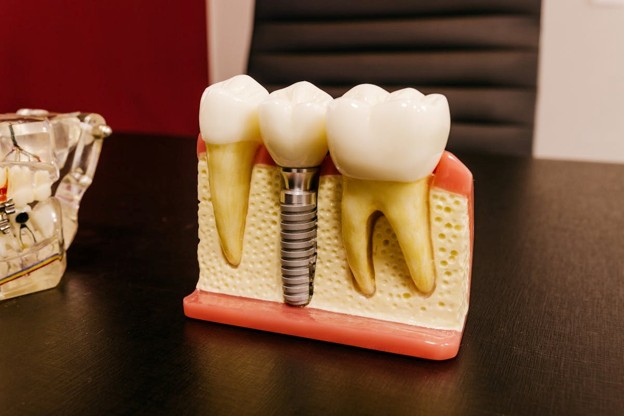
When Angela Morrison lost her back molar to decay at 45, her dentist presented three options: a bridge, a partial denture, or a dental implant. The implant cost twice as much and required surgery, but …
Posted Feb 27, 2026 Dental Care Dentistry
Connecting innovation decision makers to authoritative information, institutions, people and insights.

Medigy accurately delivers healthcare and technology information, news and insight from around the world.
Medigy surfaces the world's best crowdsourced health tech offerings with social interactions and peer reviews.
© 2026 Netspective Foundation, Inc. All Rights Reserved.
Built on Mar 27, 2026 at 12:44pm