

Managing Editor
@ShahidNShah
@ShahidNShah
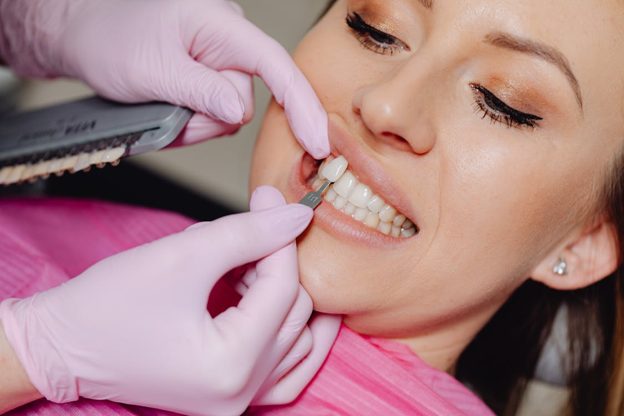
According to the American Dental Association’s 2023 cosmetic dentistry survey, dental veneers represent one of the fastest-growing procedures in aesthetic dental care, with demand increasing by nearly 30% over the past five years. This surge reflects a broader shift in how people view dental treatment — not just as reactive care for problems, but as proactive investment in confidence and appearance.
The appeal is understandable: veneers promise dramatic smile transformations in just a few appointments. But beneath the before-and-after photos lies a complex decision involving permanent changes to your natural teeth, significant financial investment, and long-term maintenance commitments. For anyone considering this popular cosmetic procedure, understanding what veneers actually accomplish — and what they require — can mean the difference between a smile that enhances your life for decades and an expensive decision you later regret. The key lies in matching realistic expectations with your specific dental situation and lifestyle needs.
Veneers transform smiles through precision corrections that go far beyond simple whitening. Think of them as ultra-thin shells that mask underlying imperfections while creating the illusion of naturally perfect teeth. The aesthetic impact comes from their ability to address multiple concerns simultaneously — something that sets them apart from other cosmetic treatments.
Color uniformity represents perhaps the most dramatic change veneers provide. Natural teeth rarely match perfectly, and over time, individual teeth can develop different shades due to genetics, medications, or varying exposure to staining substances. Veneers eliminate this natural variation by creating a consistent color across your entire smile line. Unlike whitening treatments that work differently on each tooth depending on its natural composition, veneers provide complete control over the final shade.
The shape and proportion corrections veneers accomplish often surprise patients with their transformative power. Teeth that appear too small, too square, or worn down from grinding can be restored to ideal proportions. A person whose lateral incisors never fully developed might have lived with a gapped, uneven smile for decades — veneers can create the illusion of properly sized teeth that blend seamlessly with their natural neighbors.
Alignment improvements represent another significant aesthetic benefit, though with important limitations. Minor crowding, slight rotations, or small gaps can often be corrected with veneers more quickly than with orthodontics. However, this “instant orthodontics” approach works only for relatively minor irregularities. Severe crowding or major bite issues typically require actual tooth movement through traditional orthodontic treatment.
The symmetry enhancement veneers provide addresses subtle asymmetries that most people don’t consciously notice but that significantly impact smile attractiveness. When one canine sits slightly higher than the other, or when central incisors aren’t quite the same length, veneers can create the balanced appearance that our brains associate with an attractive smile. This attention to proportion and balance often explains why veneer patients report feeling more photogenic and confident in social situations.
The type of veneer material directly influences both the aesthetic outcome and the practical benefits you’ll experience. Understanding these differences helps explain why porcelain veneers command premium pricing while composite options appeal to budget-conscious patients seeking immediate improvements.
Porcelain veneers deliver the most natural-looking and longest-lasting results, though they require the most significant commitment. The material itself mimics the light-reflecting properties of natural tooth enamel better than any alternative, creating depth and translucency that appears genuinely tooth-like under various lighting conditions.
Stain resistance represents porcelain’s most significant practical advantage. While your natural teeth gradually absorb pigments from coffee, wine, and other staining substances, porcelain remains virtually unchanged. Patients often report that their veneered teeth look better five years after placement than their natural teeth did before treatment. This resistance extends to surface scratches and wear patterns that can dull natural teeth over time.
The durability factor justifies porcelain’s higher cost for many patients. Well-maintained porcelain veneers routinely last 15-20 years, with some exceeding two decades. This longevity comes from porcelain’s hardness and its strong bond to prepared tooth structure when properly placed. However, this durability requires permanent removal of tooth enamel during preparation — typically 0.5-0.7 millimeters from the front surface.
Preparation requirements create porcelain’s main drawback. The process is irreversible, and your natural teeth will always require some form of coverage afterward. Additionally, the laboratory fabrication process means waiting 2-3 weeks between preparation and final placement while wearing temporary veneers.
Composite veneers offer immediate results with minimal tooth preparation, making them attractive for patients seeking cosmetic improvements without permanent alterations to their natural teeth. The resin material can often be applied directly to unaltered tooth surfaces, particularly for minor shape corrections or small gap closures.
Reversibility represents composite’s primary advantage over porcelain. In many cases, composite veneers can be removed without damaging the underlying tooth structure, leaving your natural teeth essentially unchanged. This flexibility appeals to younger patients who might want different options later, or those uncertain about committing to permanent alterations.
No-prep veneers push this concept further, using ultra-thin porcelain or composite shells that require minimal or no tooth reduction. While these work well for certain cases — particularly teeth that are already small or worn — they can appear bulky if applied to normal-sized teeth. The “no-prep” label can be misleading, as most cases still require some contouring for optimal results.
Maintenance considerations differ significantly between materials. Composite veneers may require periodic polishing or minor repairs every few years, as the material is softer and more prone to surface changes than porcelain. However, these adjustments can often be completed in a single appointment without laboratory involvement, making maintenance more convenient and affordable.
The lasting value of veneers extends beyond their cosmetic impact to include genuine protective benefits for your underlying teeth. Understanding these long-term advantages helps explain why many dentists recommend veneers not just for aesthetics, but as preventive treatment for certain dental conditions.
Enamel protection represents perhaps the most underappreciated benefit of veneers. Once bonded, veneers create a barrier that shields the underlying tooth from acid erosion, wear from grinding, and temperature sensitivity. Patients with gastroesophageal reflux disease (GERD) often find that veneers protect their teeth from stomach acid better than any other treatment option. Similarly, individuals who grind their teeth at night may experience less wear on veneered teeth compared to their natural molars.
The stain resistance benefit compounds over time in ways that surprise many patients. While natural teeth gradually darken with age and exposure to staining substances, veneered teeth maintain their original shade indefinitely. This means that ten years after veneer placement, the treated teeth often appear whiter and more vibrant than the untreated teeth in the same mouth — an effect that becomes more pronounced over time.
Bite functionality improvements often develop gradually as patients adjust to their new smile. Veneers can restore proper tooth length and shape in cases where natural teeth have worn down, improving chewing efficiency and reducing strain on jaw muscles. However, significant bite problems require orthodontic or restorative treatment beyond what veneers alone can provide.
Lifespan expectations vary significantly based on material choice, oral hygiene, and individual habits. Porcelain veneers typically last 15-20 years with proper care, while composite versions generally require replacement every 5-10 years. However, these timeframes assume normal wear patterns — patients who grind their teeth, chew ice, or use their teeth as tools may experience shorter lifespans regardless of material choice. When properly maintained veneers do eventually require replacement, the underlying tooth structure remains stable, making the renewal process straightforward.
The investment perspective becomes clearer when considering cost per year of service. While porcelain veneers require substantial upfront investment, their longevity often makes them more economical than repeated whitening treatments or multiple composite repairs over the same timeframe.

Despite their popularity and general success rates, veneers involve irreversible changes to natural teeth and require realistic expectations about both immediate and long-term outcomes. Understanding these limitations upfront prevents disappointment and helps ensure informed decision-making.
Tooth sensitivity affects approximately 30% of patients following veneer placement, particularly during the first few weeks as teeth adjust to their new covering. This sensitivity typically diminishes over time, but some patients experience permanent temperature sensitivity, especially to cold substances. The preparation process removes protective enamel, exposing the underlying dentin which contains nerve pathways. While most cases resolve within a month, persistent sensitivity may require desensitizing treatments or, rarely, root canal therapy.
Irreversibility represents the most significant limitation for many patients considering veneers. Once enamel is removed for porcelain veneer preparation, your teeth will always require some form of coverage. Even if veneers are eventually removed or damaged, the underlying teeth will likely need crowns or other restorations to function normally. This permanent alteration makes veneer decisions particularly weighty for younger patients who might face multiple replacements over their lifetime.
Maintenance challenges extend beyond regular dental hygiene to include specific care requirements that some patients struggle to maintain. Veneers can chip or debond if subjected to excessive force — biting fingernails, opening packages with teeth, or grinding without a protective nightguard can damage even high-quality porcelain. Unlike natural teeth that can often be repaired with simple fillings, damaged veneers typically require complete replacement.
The color matching dilemma becomes apparent over time as natural teeth gradually darken while veneers maintain their original shade. Patients who veneer only front teeth may find that the color difference becomes noticeable years later, requiring additional veneers or whitening treatments on natural teeth to maintain uniformity. This progression is particularly evident in patients who consume significant amounts of coffee, wine, or other staining substances.
Cost implications extend beyond the initial investment to include potential replacement costs and complications. Most dental insurance plans classify veneers as cosmetic procedures and provide no coverage, leaving patients responsible for the full cost. When complications arise — such as veneer debonding or underlying decay — the repair costs can approach the original veneer price. Additionally, the specialized nature of veneer work means that not all dentists can adequately maintain or repair them, potentially requiring travel to specialists in some areas.
For those seeking professional cosmetic dental treatment, experienced practitioners like those offering veneers in Renton emphasize thorough consultation processes that address these concerns before treatment begins, ensuring patients understand both the benefits and limitations of their investment.
Making the veneer decision requires honest assessment of your expectations, oral health status, and lifestyle factors. The most satisfied patients typically share certain characteristics: realistic expectations about outcomes, commitment to long-term maintenance, and specific aesthetic goals that veneers can actually address.
Evaluate your smile goals by identifying specific concerns rather than vague desires for “better teeth.” Veneers excel at correcting tooth color, minor shape irregularities, small gaps, and slight alignment issues. However, they cannot fix significant bite problems, severely crooked teeth, or underlying gum disease. Take photos of your current smile and circle specific areas of concern — this concrete approach helps determine whether veneers target your actual issues.
Assess your oral health foundation before considering any cosmetic treatment. Active decay, gum disease, or grinding problems must be addressed first. Veneers placed over compromised teeth often fail prematurely, leading to costly complications. Additionally, patients with severe grinding habits may require nightguards and possibly stronger restoration options like crowns rather than veneers.
Consider your maintenance commitment honestly. Veneers require excellent daily hygiene, regular dental checkups, and specific care practices to achieve their expected lifespan. Patients who struggle with consistent brushing and flossing may not be good candidates, as decay around veneer margins can lead to serious problems. Similarly, individuals who frequently chew ice, bite fingernails, or use teeth as tools should address these habits before veneer placement.
Financial planning should encompass both initial costs and potential future expenses. High-quality porcelain veneers typically cost $1,500-$3,000 per tooth, with most smile makeovers involving 6-10 teeth. Factor in the likelihood of eventual replacement every 15-20 years, potential complications, and the lack of insurance coverage. Some patients benefit from staging treatment — completing a few teeth initially to evaluate their satisfaction before proceeding with additional veneers.
Timeline expectations influence patient satisfaction significantly. While veneers provide faster results than orthodontics, the process still requires multiple appointments over several weeks. Porcelain veneers need laboratory fabrication time, during which patients wear temporary restorations that may feel bulky or unstable. Patients with important events or photos scheduled should plan veneer completion well in advance to allow adjustment time.
The decision ultimately comes down to whether veneers address your specific concerns better than alternative treatments, whether you’re prepared for the long-term commitment they require, and whether the investment aligns with your priorities for oral health and aesthetics. Rather than viewing veneers as a quick fix, consider them as a long-term investment in your smile that requires ongoing care and eventual replacement to maintain their benefits.

According to the American Dental Association’s 2024 oral health surveillance data, approximately 40.2 million adults in the United States are edentulous — meaning they’ve lost all their …
Posted Apr 6, 2026 Dental Care Dentistry
Connecting innovation decision makers to authoritative information, institutions, people and insights.

Medigy accurately delivers healthcare and technology information, news and insight from around the world.
Medigy surfaces the world's best crowdsourced health tech offerings with social interactions and peer reviews.
© 2026 Netspective Foundation, Inc. All Rights Reserved.
Built on Apr 8, 2026 at 1:06pm