

Managing Editor
@ShahidNShah
@ShahidNShah
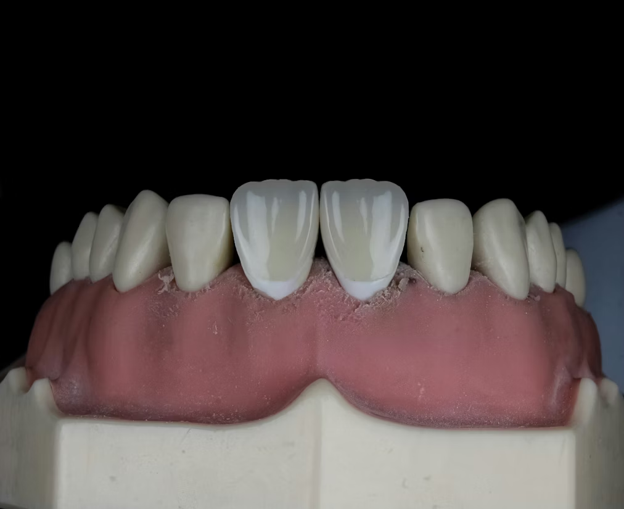
According to the American Dental Association’s 2024 oral health surveillance data, approximately 40.2 million adults in the United States are edentulous — meaning they’ve lost all their natural teeth. While advances in preventive dentistry have reduced these numbers over decades, millions still face the reality of complete tooth loss due to advanced periodontal disease, extensive decay, or trauma. As dental technology evolves and patient expectations shift toward solutions that restore both function and confidence, complete dentures have undergone significant improvements in comfort, fit, and aesthetic outcomes.
For individuals confronting complete tooth loss, the decision about replacement options carries profound implications for daily life — from the ability to enjoy favorite foods to feeling confident in social situations. Modern complete dentures offer a comprehensive solution that addresses not just the obvious challenge of missing teeth, but the cascading effects on facial structure, speech clarity, and overall quality of life. Understanding how today’s denture technology works, what customization options exist, and how complete dentures compare to alternatives can help guide one of the most important oral health decisions many people will make.
Complete dentures serve a dual purpose that extends far beyond simply filling the gaps where teeth once were. When someone loses all their teeth, the immediate challenge involves basic functions most people take for granted — chewing food effectively, speaking clearly, and maintaining normal facial proportions. Without the structural support that natural teeth provide, the jawbone begins to remodel and shrink, while facial muscles lose their foundation, leading to a collapsed appearance that can age someone significantly.
Well-fitted complete dentures restore the vertical dimension of the face, providing crucial support for the lips and cheeks. This support prevents the sunken look that often develops after tooth loss and helps maintain more youthful facial contours. The denture base extends beyond just replacing teeth — it recreates the bulk and positioning that natural tooth roots once provided to surrounding tissues. Patients often report that properly fitted dentures take years off their appearance, restoring not just their smile but their entire facial profile.
From a functional standpoint, complete dentures dramatically improve chewing efficiency compared to having no teeth at all. While they don’t match the bite force of natural teeth, quality dentures allow patients to comfortably eat a wide variety of foods that would be impossible without any teeth. The key lies in proper fit and gradual adaptation. During the initial weeks, patients learn to use different chewing techniques and may need to modify their diet temporarily, but most adapt successfully to enjoy diverse foods again.
Speech clarity represents another significant benefit. Missing teeth create gaps that allow air to escape improperly during speech, causing lisping, whistling, or mumbled words. Complete dentures restore the proper positioning for tongue placement and air flow, helping patients regain clear pronunciation. Some sounds may require practice to master with new dentures, but most speech patterns normalize within several weeks as patients become accustomed to the feel and positioning of their prosthetic teeth.
The difference between standard dentures and customized versions lies in the precision of fit and the attention to individual anatomical details. Customized complete dentures involve multiple appointments where dental professionals take detailed impressions, analyze bite relationships, and carefully select tooth shapes and shades that complement each patient’s facial features and personal preferences. This thorough approach addresses the unique contours of each person’s mouth, ensuring optimal comfort and stability.
Modern customization techniques include digital scanning and computer-aided design, allowing for more precise measurements than traditional impression materials alone. These technologies help create dentures that fit more securely, reducing common issues like slipping, clicking, or sore spots that can develop with poorly fitted prosthetics. The result is often a more natural feel and improved confidence in daily activities.
Customized dentures also consider factors beyond basic fit. Dental professionals analyze facial proportions, lip support needs, and even personality factors when selecting tooth arrangements and colors. Someone with an active lifestyle might benefit from different tooth positioning than someone primarily concerned with appearance during conversation. This individualized approach helps ensure the final result feels authentically suited to each patient’s life and expectations.
Immediate dentures offer a solution for patients who need all remaining teeth extracted but cannot go without teeth during the healing period. These prosthetics are fabricated before the extractions and inserted immediately after the teeth are removed, allowing patients to leave the dental office with a complete smile intact. While the fit isn’t perfect initially — since the dentures are made before the extractions occur — they provide crucial psychological and functional benefits during what can be a vulnerable time.
The healing process after multiple extractions involves significant tissue changes as extraction sites close and gums reshape. Immediate dentures help control swelling and protect the extraction sites while providing some chewing function, though patients must follow careful dietary restrictions during the initial healing weeks. Most importantly, immediate dentures eliminate the social anxiety of being completely toothless, allowing patients to continue work and social activities without interruption.
After approximately three to six months of healing, immediate dentures typically require relining or replacement to achieve optimal fit. The tissues settle into their final contours during this period, and adjustments ensure the best long-term comfort and function. While this process requires patience and multiple appointments, many patients find the psychological benefits of never being without teeth outweigh the temporary inconveniences of the adjustment period.
The emotional impact of complete tooth loss often surprises patients who focus primarily on the physical challenges. Many people describe feeling self-conscious about their appearance, avoiding social situations, or changing their eating habits to hide their condition. The shame and embarrassment associated with missing teeth can lead to social isolation and reduced quality of life that extends far beyond oral health concerns.
Complete dentures address these psychological challenges by restoring not just function but dignity and confidence. Patients frequently report feeling “like themselves again” once they adapt to their new dentures. The ability to smile without self-consciousness, engage in conversations without worrying about appearance, and eat comfortably in social settings contributes to improved mental health and social engagement. For individuals who may have avoided social gatherings or professional opportunities due to their dental condition, well-fitted dentures can represent a return to normal social participation.
The confidence boost extends beyond appearance to practical capabilities. Knowing that they can speak clearly during presentations, enjoy meals with family and friends, and smile freely in photographs helps patients re-engage with activities they may have avoided. This renewed confidence often creates a positive cycle — as patients become more social and active, their overall mood and outlook improve, contributing to better general health and wellbeing.
However, the psychological adaptation to dentures requires realistic expectations and patience. The first few weeks often involve a adjustment period where speaking and eating feel different, and some patients experience temporary anxiety about denture security or appearance. Working with experienced dental professionals, including a prosthodontist in Manhattan who specializes in complex restorative cases, helps ensure patients receive proper guidance through this adaptation period and achieve the best possible psychological outcomes from their denture treatment.

Complete dentures require ongoing attention to maintain both their condition and the health of the surrounding oral tissues. While the dentures themselves don’t decay like natural teeth, the supporting gums and underlying bone continue to change over time, affecting fit and comfort. Regular dental visits become crucial for monitoring these changes and making necessary adjustments to prevent complications.
The jawbone naturally remodels after tooth loss, gradually shrinking in areas where tooth roots once provided stimulation. This process, called resorption, continues throughout life and can affect denture fit over time. Annual or bi-annual dental examinations help identify when adjustments or relines are needed to maintain proper fit and function. Ignoring these changes can lead to accelerated bone loss, tissue irritation, and decreased denture effectiveness.
Daily maintenance involves thorough cleaning with denture-specific products rather than regular toothpaste, which can be too abrasive for denture materials. Proper overnight storage in denture solution helps maintain the prosthetic’s shape and cleanliness while giving oral tissues time to rest. Even with complete dentures, patients should continue cleaning their gums, tongue, and any remaining oral structures to prevent infections and maintain overall oral health.
The lifespan of complete dentures typically ranges from five to ten years, depending on factors including bone changes, wear patterns, and maintenance quality. Signs that dentures may need replacement include persistent looseness despite adjustments, visible wear on the teeth, cracks in the base material, or changes in facial support. Proactive replacement before major problems develop helps maintain optimal function and prevents complications that can arise from poorly fitting prosthetics.
Quality complete dentures, properly maintained and regularly evaluated, can provide decades of reliable function. Many patients successfully wear dentures for the remainder of their lives with appropriate care and periodic updates. The key lies in understanding that dentures are not a “set it and forget it” solution but rather a long-term oral health investment requiring ongoing professional oversight.
Understanding when complete dentures represent the best choice requires comparing them to alternative tooth replacement options. Partial dentures work when some healthy natural teeth remain to provide support and stability, but they’re not viable for patients with complete tooth loss. The decision between complete dentures and implant-supported options often comes down to factors including bone quality, overall health, timeline preferences, and budget considerations.
Dental implants offer superior stability and bone preservation compared to traditional complete dentures, since titanium implant posts integrate with the jawbone and provide stimulation similar to natural tooth roots. However, successful implant placement requires adequate bone volume and density, good general health, and the ability to undergo surgical procedures. Patients with significant bone loss, certain medical conditions, or those taking medications that affect healing may not be suitable candidates for extensive implant treatment.
Complete dentures provide an effective solution for patients who cannot receive implants or prefer a non-surgical approach. Modern denture materials and fabrication techniques have significantly improved comfort and function compared to dentures from previous decades. While they may require an adjustment period and periodic maintenance, complete dentures can restore adequate chewing function and aesthetics for most daily activities.
Cost considerations also play a significant role in treatment decisions. Complete dentures typically represent the most economical option for replacing all teeth, while implant-supported solutions require substantially higher initial investment. However, the long-term costs of denture maintenance, adjustments, and periodic replacement should be factored into the overall financial picture.
The timeline for treatment differs significantly between options. Complete dentures can often be fabricated and delivered within several weeks, while comprehensive implant treatment may take several months to over a year depending on the complexity of the case. For patients who need immediate tooth replacement due to work requirements or personal preferences, dentures offer a faster path to restored function and appearance.
Rather than viewing these options as competing treatments, many dental professionals now recommend considering them as complementary solutions that may serve patients well at different life stages. Someone might choose complete dentures initially and later upgrade to implant-supported options, or use dentures as a transitional solution while planning for more complex treatments. The key lies in working with qualified dental professionals who can assess individual circumstances and help patients make informed decisions based on their specific needs, health status, and long-term goals.


The five warning signs of a potentially fatal skull fracture are loss of consciousness, unequal pupils, a worsening headache, fluid leaking from the nose or ears, and seizures. These signs indicate …
Posted Apr 6, 2026 Care Management
Connecting innovation decision makers to authoritative information, institutions, people and insights.

Medigy accurately delivers healthcare and technology information, news and insight from around the world.
Medigy surfaces the world's best crowdsourced health tech offerings with social interactions and peer reviews.
© 2026 Netspective Foundation, Inc. All Rights Reserved.
Built on Apr 8, 2026 at 1:06pm