

Managing Editor
@ShahidNShah
@ShahidNShah
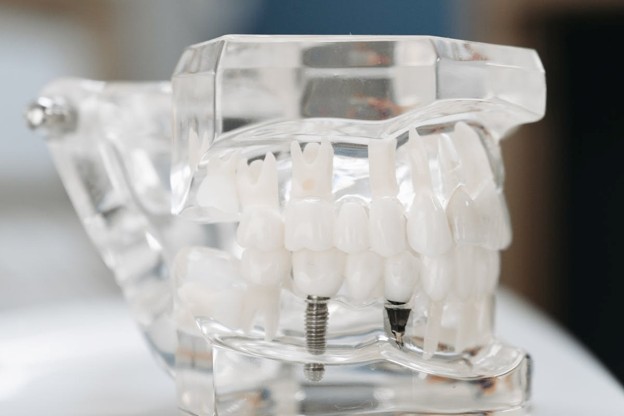
Nearly 3.5 million Americans receive dental implants annually, yet the average cost of $4,000 per implant keeps this life-changing treatment out of reach for many patients who need it most. What’s striking is that while implant technology has advanced dramatically—with success rates now exceeding 95%—the pricing landscape has become increasingly complex, creating confusion about what “affordable” actually means in modern dental care.
This affordability crisis matters more than ever as we enter 2025. The aging Baby Boomer population is driving unprecedented demand for tooth replacement solutions, while younger patients are choosing implants over traditional bridges at record rates. Meanwhile, innovations in materials science and surgical techniques are creating new categories of implant solutions that challenge conventional thinking about cost versus quality.
The stakes are significant for patients navigating this decision. Choose poorly based on price alone, and you risk implant failure, additional surgeries, and ultimately higher lifetime costs. However, learning more about available dental implant options and the factors that influence pricing—from titanium grades to surgical complexity—can help patients identify affordable, long-term solutions without compromising on outcomes.
Here’s what the latest clinical research, material science advances, and real-world patient data reveal about finding implant solutions that balance cost-effectiveness with clinical excellence.
Affordability in dental implants isn’t simply about finding the lowest upfront price—it’s about optimizing the cost-per-year of service over the implant’s expected 20-30 year lifespan. According to the American Academy of Implant Dentistry, patients who focus solely on initial costs often face 40% higher lifetime expenses due to complications, revisions, or premature failure.
Mini dental implants represent one pathway to affordability, particularly for patients with limited bone density or those seeking to stabilize loose dentures. These smaller-diameter implants (typically 1.8-3.3mm versus 3.4-6mm for conventional implants) cost approximately 30-50% less than traditional options and often eliminate the need for expensive bone grafting procedures. However, they’re primarily suitable for securing dentures rather than supporting individual crowns, making them ideal for specific clinical situations rather than universal tooth replacement.
Implant-supported overdentures offer another cost-effective approach, especially for patients missing most or all teeth. Rather than replacing each tooth individually—which could require 8-10 implants per arch at $25,000-$40,000—strategic placement of 4-6 implants can secure a full-arch prosthetic for roughly half that investment. This “All-on-4” concept has revolutionized full-mouth reconstruction by maximizing implant positioning to support entire arches with fewer surgical sites.
The key insight emerging from current practice is that affordability often comes from matching the right implant solution to specific clinical needs rather than defaulting to premium options. A patient requiring single-tooth replacement in the aesthetic zone has different requirements—and cost considerations—than someone seeking to stabilize loose lower dentures. Understanding these distinctions helps patients invest appropriately without over-treating or under-treating their specific situation.
Dental implants function through a biological process called osseointegration—the direct fusion of titanium with living bone tissue. When a titanium implant is placed into the jawbone, specialized bone cells called osteoblasts begin depositing new bone directly onto the implant surface. Over 3-6 months, this creates a mechanical bond stronger than the surrounding natural bone, essentially making the implant a new tooth root.
The surgical process typically unfolds in phases. Initial placement involves creating a precise osteotomy (bone cavity) using specialized drills that maintain temperatures below 47°C to prevent thermal necrosis of bone cells. The implant is then torqued into position at specific force levels—typically 35-50 Ncm—to achieve primary stability without over-compression that could impair healing.
Following placement, a healing period allows osseointegration to occur. During this time, patients may wear temporary prosthetics, but the implant site remains undisturbed. Once integration is confirmed through clinical testing and sometimes radiographic assessment, an abutment is attached to the implant, and the final restoration—crown, bridge, or denture—is secured.
This biological foundation explains why immediate loading protocols—placing temporary teeth the same day as implant surgery—require specific conditions to succeed. The implant must achieve high primary stability, bone quality must be adequate, and bite forces must be carefully controlled during healing. When these criteria are met, immediate loading can reduce treatment time from 4-6 months to 2-3 months while maintaining comparable success rates.
Surgical complexity drives the largest cost variations in implant treatment. Simple cases with adequate bone density, proper spacing, and straightforward access may require only basic surgical skills and standard implant components. However, complex cases involving bone grafting, sinus elevation, or nerve repositioning can increase surgical time 2-3x and require specialized materials and expertise.
Bone grafting procedures add $400-$2,000 per site depending on the grafting material and technique required. Socket preservation grafts using synthetic materials represent the lower end, while major ridge augmentation using autogenous bone harvesting approaches the higher range. These procedures are often necessary but represent additional investment beyond the implant itself.
Geographic location significantly impacts pricing, with metropolitan areas typically charging 25-40% more than rural regions. However, this often reflects differences in overhead costs, specialist availability, and local market dynamics rather than quality variations. A $3,000 implant in Manhattan and a $2,200 implant in Kansas may represent equivalent value propositions given local economic conditions.
Practice setting also influences cost structure. University dental schools often offer implant treatment at 20-30% below private practice fees, performed by residents under expert supervision. Specialist oral surgery practices may charge premium rates but offer advanced training and complex case expertise. General dentists who place implants may offer competitive pricing for routine cases while referring complex situations to specialists.
Titanium grade and surface treatment significantly influence both implant cost and long-term performance. Grade 4 commercially pure titanium offers excellent biocompatibility and represents the historical gold standard for implant manufacturing. However, Grade 5 titanium alloy (Ti-6Al-4V) provides superior strength, allowing for smaller implant diameters in challenging situations, though at higher material costs.
Surface modifications have become increasingly sophisticated, with each innovation typically adding $200-$500 to implant costs. Basic machined surfaces, while effective, have largely been replaced by acid-etched, sandblasted, or hydroxyapatite-coated surfaces that accelerate osseointegration. The latest nano-textured and chemically modified surfaces can reduce healing times but command premium pricing that may not be justified for routine cases.
Abutment materials present another cost consideration. Standard titanium abutments offer reliable function at moderate cost, while zirconia abutments provide superior aesthetics in the anterior region but typically cost 2-3x more. Custom abutments, whether milled from titanium or zirconia, optimize emergence profiles and soft tissue health but require additional laboratory time and expense.
The practical implication is that material selection should align with clinical requirements and patient priorities. A molar replacement may function excellently with standard materials, while a front tooth replacement might justify investment in premium aesthetics. Understanding these trade-offs helps patients make informed decisions about where to invest in premium features versus where standard materials suffice.
Tooth preparation requirements represent a fundamental distinction between implants and bridges. Traditional bridges require aggressive reduction of adjacent healthy teeth—removing 60-70% of natural tooth structure to accommodate bridge retainers. This irreversible preparation converts healthy teeth into potential future endodontic cases, with studies showing 15-20% of bridge abutments requiring root canal treatment within 10 years.
Dental implants preserve adjacent teeth completely, maintaining their natural structure and vitality. This conservation of tooth structure becomes particularly valuable when replacing single teeth in younger patients, who may need 2-3 prosthetic replacements over their lifetime. Each bridge replacement typically requires more aggressive tooth preparation, progressively compromising abutment teeth.
Maintenance and longevity patterns differ significantly between the two approaches. Bridges create complex hygiene challenges, requiring flossing under the pontic and around prepared teeth. Implants maintain normal brushing and flossing patterns, with hygiene access similar to natural teeth. Consequently, implant-supported crowns show superior long-term gum health compared to bridge abutments.
From a cost perspective over time, implants typically prove more economical despite higher initial investment. A three-unit bridge costing $3,500-$5,000 may require replacement every 10-15 years, while an implant crown costing $4,000-$5,000 commonly functions 25-30 years with proper care. When factoring in the potential costs of treating compromised abutment teeth, implants often represent better long-term value.
However, immediate aesthetics favor bridges in certain situations. Bridges can be completed in 2-3 weeks, while implants require 3-6 months for proper healing. For patients with urgent aesthetic needs—professional speakers, performers, or those with upcoming major life events—bridges may better serve immediate requirements despite long-term trade-offs.
Retention and stability represent the most dramatic functional differences between implant-supported and traditional dentures. Lower dentures particularly suffer from poor retention due to limited contact area and constant tongue movement. Studies from the Journal of Prosthetic Dentistry demonstrate that implant-supported lower dentures improve chewing efficiency by 200-300% compared to traditional dentures, allowing patients to return to previously avoided foods.
Bone preservation provides long-term benefits that extend far beyond immediate function. Traditional dentures accelerate jawbone resorption, with patients losing 25% of ridge height in the first year following tooth loss and continuing to lose 4mm of bone height per decade. Implants stimulate bone through normal loading forces, maintaining facial support and preventing the characteristic sunken appearance that develops with progressive bone loss.
The psychological impact of secure dentures cannot be understated. Patients report dramatic improvements in confidence, social comfort, and quality of life when they no longer fear denture movement during eating or speaking. This social functionality often proves more valuable than pure clinical measures of success.
Treatment complexity varies significantly between different implant-supported options. Two implants supporting a lower denture with locator attachments represents the minimum effective treatment, costing approximately $6,000-$8,000 total. Four implants with a rigid bar attachment provide superior retention and stability for $12,000-$15,000. Fixed implant-supported dentures (non-removable) approach $20,000-$25,000 per arch but eliminate all removability concerns.
Maintenance requirements differ substantially between the options. Traditional dentures require annual relines, periodic soft tissue adjustments, and eventual complete remakes as bone changes occur. Implant-supported dentures require professional maintenance of the implant sites and attachment mechanisms, but the implants themselves typically remain stable for decades. This shifts maintenance from managing progressive bone loss to maintaining stable prosthetic connections.
Computer-guided surgery has emerged as a transformative technology that’s making complex implant placement more predictable while potentially reducing costs through improved efficiency. Digital treatment planning using CBCT scans and intraoral scanning allows surgeons to virtually place implants before touching the patient, identifying optimal positions that avoid anatomical structures while maximizing prosthetic outcomes.
Surgical guides fabricated from these digital plans enable minimally invasive techniques that often eliminate the need for large incisions and extensive tissue reflection. This flapless approach reduces surgical time by 30-40% while minimizing post-operative discomfort and healing time. For practices investing in digital workflows, these efficiencies can be passed along to patients as more competitive pricing.
Immediate loading protocols have evolved from experimental procedures to evidence-based treatment options under specific conditions. When implants achieve adequate primary stability (typically >35 Ncm insertion torque) and patients demonstrate proper oral hygiene and realistic expectations about initial limitations, temporary crowns can be placed the day of surgery. This eliminates the psychosocial impact of being edentulous while potentially reducing overall treatment costs by combining surgical and prosthetic phases.
Short implant technology addresses one of the most expensive aspects of implant treatment—bone grafting procedures. Traditional thinking required 10-13mm implant length for predictable success, necessitating sinus lifts and ridge augmentation when insufficient bone existed. Current research demonstrates that 6-8mm implants with advanced surface treatments achieve comparable success rates to longer implants in many situations, potentially eliminating $2,000-$4,000 in grafting costs per implant.
CAD/CAM prosthetic manufacturing is revolutionizing the restoration phase of implant treatment. Digital impressions eliminate multiple appointment sequences for traditional impression-making, while computer-designed restorations optimize fit and function. Same-day crown delivery is becoming feasible for routine cases, reducing chair time and laboratory costs that can be reflected in patient pricing.
The convergence of these technologies creates scalability advantages that larger practices are beginning to leverage. High-volume implant centers using fully digital workflows report 20-30% cost reductions compared to traditional techniques while maintaining or improving clinical outcomes. As these efficiencies mature and become more widespread, they represent genuine opportunities for improved affordability without compromising quality.
Fifteen-year survival data from multiple longitudinal studies consistently demonstrates implant success rates exceeding 95% when properly selected and maintained. The Swedish dental implant registry, tracking over 200,000 implants since 1986, shows cumulative survival rates of 96.4% at 10 years and 94.8% at 15 years for routine single-tooth replacements. These numbers represent remarkable consistency across different patient populations and clinical settings.
Prosthetic survival shows different patterns than implant survival, with restorative components requiring maintenance or replacement more frequently than the implants themselves. Crown and bridge prosthetics show 10-year survival rates of 89-95%, with most failures involving minor complications like screw loosening, porcelain chipping, or crown replacement rather than implant loss. Understanding this distinction helps patients plan for realistic long-term maintenance expectations.
Factors influencing long-term success have been extensively studied across multiple patient populations. Smoking represents the most significant controllable risk factor, with heavy smokers (>20 cigarettes daily) showing 2-3x higher failure rates compared to non-smokers. Diabetes, when well-controlled (HbA1c <7%), shows minimal impact on success rates, while uncontrolled diabetes significantly increases complications. Periodontal disease history correlates with higher implant complications, emphasizing the importance of periodontal health before and after implant placement.
Age-related outcomes demonstrate that implants function effectively across adult age ranges, though healing patterns vary. Patients over 70 show slightly extended osseointegration periods but achieve comparable long-term success rates to younger patients. More importantly, functional improvements in chewing efficiency and nutritional status often prove more dramatic in older patients, who may have been struggling with traditional dentures for years.
Research from the International Congress of Oral Implantologists indicates that implants placed in the 1980s and 1990s, using less sophisticated techniques and materials, commonly remain functional 30+ years later. This longevity data provides confidence in current implant technology, which benefits from decades of material science and surgical technique refinements.
Early failures (within the first year) typically result from failed osseointegration due to surgical trauma, infection, or premature loading. These complications, occurring in 2-5% of cases, often manifest as implant mobility, persistent pain, or radiographic evidence of bone loss around the implant. Early detection allows for implant removal, site healing, and eventual replacement with high success rates.
Late complications present different challenges, with peri-implantitis representing the most significant long-term concern. This inflammatory condition affecting tissues around functioning implants occurs in 12-20% of patients and 6-15% of implants over 10-year periods. Peri-implantitis typically develops gradually, characterized by bleeding, suppuration, and progressive bone loss that can ultimately lead to implant failure if untreated.
Mechanical complications affect prosthetic components more frequently than implants themselves. Screw loosening occurs in 5-12% of single crowns over five years, representing a minor maintenance issue rather than treatment failure. Porcelain fractures affect 3-8% of implant crowns annually, influenced by factors like bruxism, crown design, and porcelain thickness. These complications, while inconvenient, rarely compromise implant function and typically require only restoration replacement.
Prevention strategies focus on controlling known risk factors through patient education and professional maintenance. Smoking cessation counseling, diabetes management, and periodontal therapy before implant placement significantly reduce complication rates. Post-treatment maintenance protocols including professional cleanings every 3-4 months and annual radiographic monitoring enable early intervention when problems develop.
Treatment of complications has evolved considerably, with many previously hopeless situations now manageable through advanced techniques. Non-surgical peri-implantitis therapy using antimicrobial rinses and mechanical debridement successfully arrests disease progression in 60-70% of cases when implemented early. Surgical regenerative procedures can recover lost bone and soft tissue in more advanced cases, though success rates vary depending on defect characteristics and patient factors.
The critical insight from complication research is that most implant problems are preventable or manageable when detected early through proper maintenance protocols. Patients who maintain regular professional care and respond promptly to developing issues achieve the highest long-term success rates, emphasizing that implant success depends on ongoing partnership between patient and dental team.
Immediate post-surgical protocols significantly influence healing success and patient comfort during the critical osseointegration period. The first 24-48 hours require careful attention to swelling control, bleeding management, and pain relief while protecting the surgical site from disruption. Ice application for 20-minute intervals during the first 6 hours minimizes swelling, while prescribed anti-inflammatory medications control both pain and inflammatory responses that could impair healing.
Dietary modifications during early healing focus on maintaining nutrition while avoiding mechanical trauma to the implant site. Soft, cool foods like yogurt, smoothies, and soups provide necessary calories without requiring aggressive chewing. Patients should avoid hard, crunchy, or sticky foods for 2-3 weeks, gradually reintroducing normal textures as healing progresses and temporary restorations are placed.
Activity restrictions during the first week prevent complications that could jeopardize osseointegration. Vigorous exercise, heavy lifting, and activities that increase blood pressure should be avoided for 72-96 hours to prevent bleeding and swelling. However, normal daily activities and gentle walking are encouraged to maintain general health and circulation.
Oral hygiene adaptations require balancing cleanliness with surgical site protection. Gentle saltwater rinses (1/2 teaspoon salt in warm water) beginning 24 hours post-surgery help maintain cleanliness without disrupting clot formation. Brushing should continue in all areas except immediately around the surgical site, with gradual reintroduction of normal hygiene as healing progresses.
Follow-up appointments allow monitoring of healing progression and early intervention if complications develop. Typical schedules include 1-week suture removal, 2-week healing assessment, and monthly monitoring until osseointegration is complete. These appointments provide opportunities to reinforce home care instructions and address patient concerns during the vulnerable healing period.
Long-term hygiene protocols for healed implants closely resemble natural tooth care but require specific attention to the implant-gum interface. Unlike natural teeth, which have periodontal ligament attachment, implants connect directly to bone with only soft tissue seal at the gum line. This makes the gum margin around implants more vulnerable to bacterial penetration if hygiene is inadequate.
Brushing techniques should emphasize gentle but thorough cleaning around implant crowns using soft-bristled brushes and non-abrasive toothpaste. Electric toothbrushes often provide superior plaque removal compared to manual brushing, particularly for patients with limited dexterity. Special attention to the lingual (tongue-side) surfaces helps prevent the bacterial accumulation that commonly leads to peri-implant inflammation.
Interdental cleaning becomes critical for implant longevity, as food impaction and bacterial accumulation between implants and adjacent teeth create high-risk areas for complications. Floss threaders, proxy brushes, or water flossers help maintain cleanliness in these areas. The choice of interdental aids depends on space availability and patient dexterity, with demonstration and practice during professional appointments improving compliance.
Antimicrobial rinses can supplement mechanical cleaning, particularly for patients with history of periodontal disease or those showing early signs of inflammation around implants. However, rinses should complement, not replace, thorough mechanical plaque removal through brushing and flossing.
Professional maintenance intervals typically require more frequent appointments than natural teeth, with 3-4 month cleanings recommended for most implant patients. During these visits, specialized instruments remove calculus deposits without scratching implant surfaces, while soft tissue health is evaluated for early signs of inflammation. Professional monitoring allows intervention before minor problems progress to more serious complications.
Nutritional considerations for implant patients focus on supporting overall oral health rather than specific implant requirements. Adequate calcium and vitamin D intake supports bone health around implants, while vitamin C aids soft tissue healing and maintenance. Patients with multiple implants or full-mouth reconstructions often experience dramatic improvements in nutritional status due to restored chewing ability, but should gradually expand their diet to include previously avoided healthy foods like fresh fruits and vegetables.
The emergence of digital monitoring tools is beginning to enhance patient engagement in implant maintenance. Smartphone apps that track hygiene compliance, photograph gum health changes, and remind patients of professional appointments show promise for improving long-term outcomes, particularly for patients who historically struggle with routine oral care.
Regenerative medicine integration represents the most promising frontier for expanding implant accessibility and success. Stem cell therapies using patient-derived cells to accelerate bone formation could eliminate lengthy healing periods while improving osseointegration quality. Early clinical trials show 30-40% faster integration with superior bone density around implants, potentially reducing treatment time from 4-6 months to 2-3 months while improving long-term stability.
3D printing technology is revolutionizing both implant manufacturing and surgical planning, with direct implications for affordability. Patient-specific implants designed from CT scan data and printed in biocompatible materials could optimize fit and function while reducing inventory costs for dental practices. Current research suggests that custom-printed implants may achieve superior primary stability, potentially eliminating bone grafting requirements in borderline cases.
Artificial intelligence applications in treatment planning and outcome prediction are emerging as powerful tools for optimizing implant success while reducing costs. Machine learning algorithms trained on thousands of implant cases can predict success probability based on patient-specific factors, helping clinicians modify treatment plans to maximize outcomes. AI-guided surgical planning could reduce chair time and improve accuracy, translating to cost savings that benefit patients.
Material science advances continue to push the boundaries of what’s possible with smaller, stronger, and more bioactive implants. Nanostructured surfaces and bioactive coatings promise faster healing and stronger bone integration, while new titanium alloys provide strength characteristics that could enable even smaller implant diameters for challenging anatomical situations.
The global manufacturing scale of implant components is creating economies that should eventually benefit patients. As worldwide implant placement grows from 1 million annually to projected 3 million by 2030, manufacturing efficiencies and competition should pressure pricing downward while quality standards continue improving.
Telemedicine integration in implant care could reduce the geographic barriers that currently limit access to specialist care. Remote monitoring of healing progress, virtual consultations for treatment planning, and AI-assisted diagnostics could enable expert care in underserved areas while reducing the multiple appointments traditionally required for complex cases.
Perhaps most importantly, evidence-based protocols are becoming increasingly standardized, reducing the variation in treatment approaches that currently contributes to pricing complexity. As the profession converges on optimal techniques for specific clinical situations, patients should benefit from more predictable outcomes and more competitive pricing as practices adopt proven workflows rather than developing individualized approaches.
The convergence of these trends suggests that dental implants in the next decade will be more accessible, more predictable, and more efficient than current options while maintaining or improving the excellent success rates that have made implants the gold standard for tooth replacement. For patients considering implant treatment, understanding these developing trends can inform timing decisions and realistic expectations about the evolving landscape of implant dentistry.

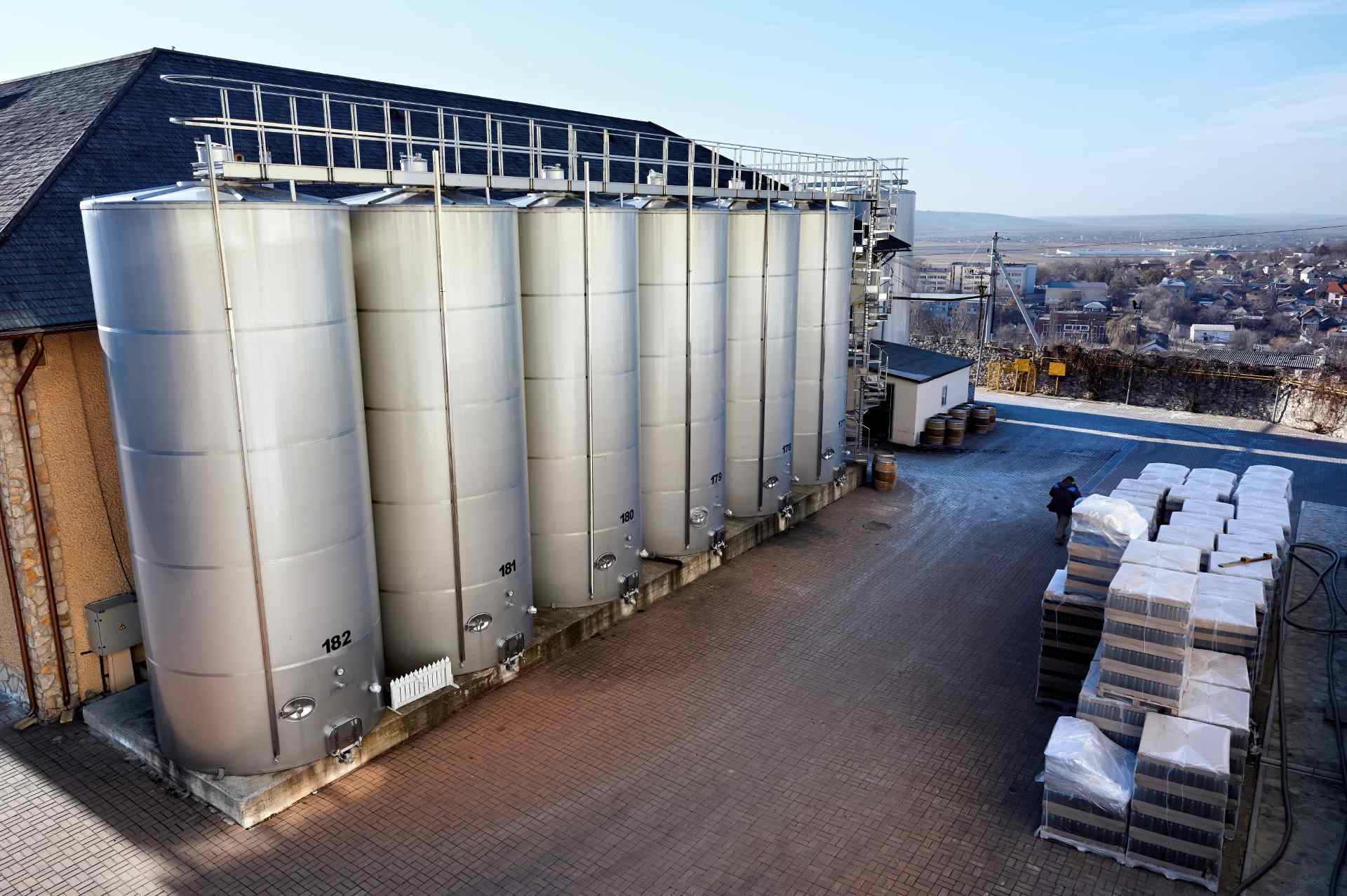
Pharmaceutical manufacturing relies heavily on the precise handling and storage of raw materials. From active pharmaceutical ingredients (APIs) to excipients and processing agents, every material used …
Posted Mar 9, 2026 Pharmaceuticals, Biotechnology & Drug Discovery Technologies
Connecting innovation decision makers to authoritative information, institutions, people and insights.

Medigy accurately delivers healthcare and technology information, news and insight from around the world.
Medigy surfaces the world's best crowdsourced health tech offerings with social interactions and peer reviews.
© 2026 Netspective Foundation, Inc. All Rights Reserved.
Built on Apr 2, 2026 at 12:49pm