

Managing Editor
@ShahidNShah
@ShahidNShah
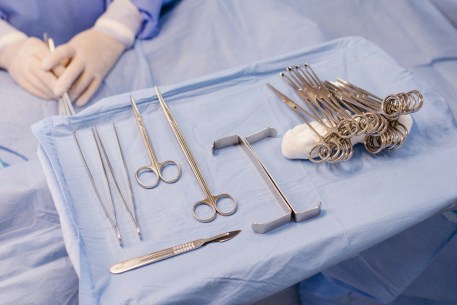
Surgical stirrups are a deceptively simple piece of equipment that carries outsized importance in the operating room. Whether your facility performs gynecological, urological, colorectal, or general surgical procedures that require lithotomy positioning, the stirrup system you choose directly affects patient safety, surgical access, staff workflow, and long-term equipment costs. A poorly planned surgical stirrups procurement decision can lead to nerve injury claims, compatibility headaches with existing operating tables, and frustrated surgical staff who find themselves fighting the equipment instead of focusing on the patient.
This checklist is designed to walk procurement teams, perioperative directors, and surgical department leaders through the key considerations that should shape a surgical stirrups procurement process. Rather than treating this as a simple purchasing decision, think of it as a cross-functional evaluation that touches clinical risk management, biomedical engineering, infection control, and finance.
It is tempting to view stirrups as a commodity item, something that gets ordered in bulk and replaced only when broken. This mindset is a mistake. Stirrups are positioning devices that bear significant patient weight and must hold limbs in place for extended periods, sometimes several hours. Improper design, poor padding, or incompatible mounting hardware can contribute to peroneal nerve injury, compartment syndrome, hip dislocation in vulnerable patients, and pressure ulcers.
Beyond clinical risk, there is an operational dimension. Surgical teams that struggle with stirrup systems that are hard to adjust mid-procedure, slow to attach, or incompatible with certain table models lose valuable minutes during turnover and during the case itself. In a high-volume surgical suite, those minutes add up across hundreds of procedures per year.
A thoughtful surgical stirrups procurement checklist protects against both clinical and operational pitfalls, and it ensures that the capital or supply budget is spent on equipment that will actually serve the surgical team’s needs for years to come.
Before contacting vendors, procurement teams should take stock of the surgical case mix the stirrups will support. Gynecological and urological procedures typically require deep lithotomy positioning with wide leg abduction, while general surgery cases may only need low lithotomy for brief access. Robotic-assisted procedures often require steep Trendelenburg combined with lithotomy, which places additional stress on positioning hardware and increases the risk of patient slippage.
Facilities that anticipate growth in robotic surgery, bariatric surgery, or complex colorectal cases should factor this into their stirrup selection now rather than discovering mid-year that the current stirrups cannot safely support a heavier patient population or cannot hold position during steep table angulation. Reviewing case volume data from the surgical scheduling system, and consulting with surgeons across specialties, is a practical first step that grounds the rest of the procurement process in real clinical need.
One of the most common and costly mistakes in surgical stirrups procurement is failing to verify compatibility with the operating room tables already in use. Stirrups attach to tables through rail clamps, and rail dimensions vary by manufacturer and sometimes by table generation within the same manufacturer’s product line.
Procurement teams should document the exact make, model, and rail specification of every table in the facility, including any mobile or backup tables kept in reserve. If the facility operates tables from more than one manufacturer, a universal rail clamp system may be worth considering, since it reduces the risk of purchasing stirrups that only work with a subset of the fleet. It is also worth asking vendors directly whether their stirrup systems have been tested and validated on the specific table models in your inventory, rather than relying on general claims of universal compatibility.
Patient safety should sit at the center of any surgical stirrups procurement decision. Several features consistently separate well-designed stirrup systems from outdated or poorly engineered ones.
Padding quality matters enormously. Look for boot-style or candy-cane stirrups with pressure-redistributing padding that minimizes contact stress on the calf and peroneal nerve area. Adjustable height and angle mechanisms allow the surgical team to position each leg independently, which is important given that patients rarely have symmetrical anatomy or flexibility. A reliable locking mechanism prevents unintended movement once the legs are positioned, and this becomes especially critical during steep Trendelenburg positioning, where gravity works against stability.
Weight capacity is another safety consideration that is easy to overlook. With rising rates of obesity in many surgical populations, stirrup systems should be rated for the heaviest patients the facility is likely to encounter, with a reasonable safety margin built in. Procurement teams should ask vendors for documented weight ratings and, where possible, request third-party testing data rather than relying solely on manufacturer marketing claims.
Surgical stirrups are handled repeatedly by nurses and surgical technicians throughout the day, and the physical demands of attaching, adjusting, and removing stirrups should not be underestimated. Systems that require excessive force to lock into place, or that have small, hard-to-read angle indicators, slow down room turnover and increase the risk of staff injury from repetitive strain.
During vendor demonstrations, it is worth having actual OR staff, not just department leadership, test the equipment. Staff members who will use the stirrups daily often notice usability issues that administrators miss, such as awkward grip points, unclear labeling, or mechanisms that are difficult to operate while wearing surgical gloves. Including frontline staff in product trials also builds buy-in for whatever system is ultimately selected, which matters when it comes time to retrain the department on a new product.
Stirrups come into direct or indirect contact with patients and must be cleaned and disinfected between every case. Materials matter here. Non-porous, seamless padding surfaces are easier to disinfect thoroughly and less likely to harbor pathogens in seams or crevices compared to older foam or fabric-covered designs.
Procurement teams should request the manufacturer’s validated cleaning and disinfection protocol, including which disinfectant chemistries are compatible with the stirrup materials without causing premature degradation. It is also worth confirming how long a full cleaning cycle takes, since this directly affects room turnover time in high-volume surgical suites. Facilities with particularly demanding turnover targets may want to prioritize stirrup systems specifically marketed for rapid-cycle cleaning.
Where and how stirrups are stored between cases is a logistical detail that is easy to overlook during procurement but becomes a daily frustration if handled poorly. Some stirrup systems come with dedicated storage carts or wall-mounted racks that keep components organized and protect padding from damage. Others are simply stacked in supply rooms, which can lead to lost components, damaged padding, and wasted staff time searching for matching pairs.
Before finalizing a purchase, ask the vendor what storage solutions are available or recommended, and consider whether your current sterile processing and OR supply room layout can accommodate the stirrup system’s storage footprint. For facilities with multiple operating rooms, standardizing on a single stirrup system across all rooms simplifies storage, training, and par-level management considerably.
Sticker price is only one part of the financial picture in surgical stirrups procurement. Total cost of ownership includes replacement padding, repair costs, warranty terms, and expected product lifespan. Some stirrup systems are built with replaceable padding components, which extends the useful life of the overall system and reduces long-term costs compared to systems that require full replacement when padding wears out.
Warranty length and what it actually covers deserve close scrutiny. A longer warranty period is only meaningful if it covers the components most likely to fail, such as locking mechanisms and padding, rather than just the metal frame. Procurement teams should also ask about the availability and cost of replacement parts, since a stirrup system with hard-to-source parts can end up costing more over time even if the initial purchase price is lower than competing options.
Vendor claims about safety, durability, and ease of use should be verified wherever possible. Requesting references from comparable facilities, ideally ones with a similar surgical case mix and patient population, provides a more realistic picture of how a stirrup system performs outside a controlled sales demonstration.
Whenever feasible, negotiate a trial period during which the facility can use the stirrup system in live cases before committing to a full purchase order. A trial period surfaces practical issues that are difficult to anticipate from a product brochure alone, such as how the stirrups perform with the specific patient positioning protocols already in place at your facility, or how well they integrate with other positioning aids like bean bags or safety straps.
Even the best-designed stirrup system creates risk if staff are not properly trained on its use. As part of surgical stirrups procurement, confirm what training the vendor provides at the time of installation, and whether that training extends to new hires joining the department after the initial rollout. Facilities with high staff turnover in the perioperative department, such as in San Bernardino County or similarly staffed regions, should pay particular attention to the sustainability of training resources, including access to instructional videos, quick-reference guides, and a responsive clinical support line for questions that arise after go-live.
It is also worth clarifying response times for technical support in the event of equipment malfunction, since a broken stirrup system discovered just before a scheduled case can disrupt the entire day’s surgical schedule.
Once a surgical stirrups procurement decision is made, documenting the rationale, including case mix analysis, compatibility testing, safety feature comparison, and cost analysis, creates a valuable record for future capital planning cycles and for responding to any quality or risk management inquiries down the line.
Building in a periodic review cycle, such as an annual check-in with the surgical department on how the stirrups are performing, helps catch emerging issues early, whether that is unexpected wear patterns, new surgical techniques that strain the equipment’s capabilities, or staff feedback that suggests additional training is needed.
How often should surgical stirrups be replaced?
There is no universal timeline, since replacement depends on usage volume, padding wear, and lock mechanism integrity. Many facilities find that heavily used stirrups need padding replacement every one to three years, with full system replacement every five to ten years. Routine inspection schedules help identify wear before it becomes a safety issue.
What is the difference between boot-style and candy-cane stirrups?
Boot-style stirrups cradle the entire foot and lower leg, distributing pressure more evenly and generally considered better suited for longer procedures. Candy-cane stirrups support only the ankle or knee area and are typically used for shorter, lower-risk positioning needs. Key differences include:
Can one stirrup system work across multiple operating table brands?
Some manufacturers offer universal rail clamp adapters, but true universal compatibility should always be verified directly with the vendor and tested on each table model before purchase, since rail dimensions can vary even within a single brand’s product lines.
What safety certifications should procurement teams look for?
Look for documentation of compliance with relevant medical device regulations, along with any third-party testing data on weight capacity and structural integrity. Vendors should be able to provide this documentation upon request as part of the procurement process.
Who should be involved in the procurement decision?
A well-rounded evaluation typically includes perioperative nursing leadership, surgeons representing the primary specialties that will use the equipment, biomedical engineering staff, infection control personnel, and finance or supply chain representatives.
Surgical stirrups procurement is not a task to delegate entirely to a purchasing spreadsheet. The equipment directly touches patient safety, staff efficiency, and long-term budget planning, which means it deserves the same rigor applied to larger capital equipment decisions. By working through case mix analysis, compatibility verification, safety feature review, staff ergonomics, infection control standards, storage logistics, total cost of ownership, clinical references, training commitments, and ongoing review cycles, procurement teams can make a confident, well-supported decision that serves both patients and staff for years to come.


The Wolverine peptide stack is a blend of two peptides, BPC-157 and TB-500, combined in a single vial. It is named after the comic-book hero who heals from almost anything, a nod to what both peptides …
Posted Nov 13, 2026 Biological Products
Connecting innovation decision makers to authoritative information, institutions, people and insights.

Medigy accurately delivers healthcare and technology information, news and insight from around the world.
Medigy surfaces the world's best crowdsourced health tech offerings with social interactions and peer reviews.
© 2026 Netspective Foundation, Inc. All Rights Reserved.
Built on Nov 14, 2026 at 5:05am