

Managing Editor
@ShahidNShah
@ShahidNShah
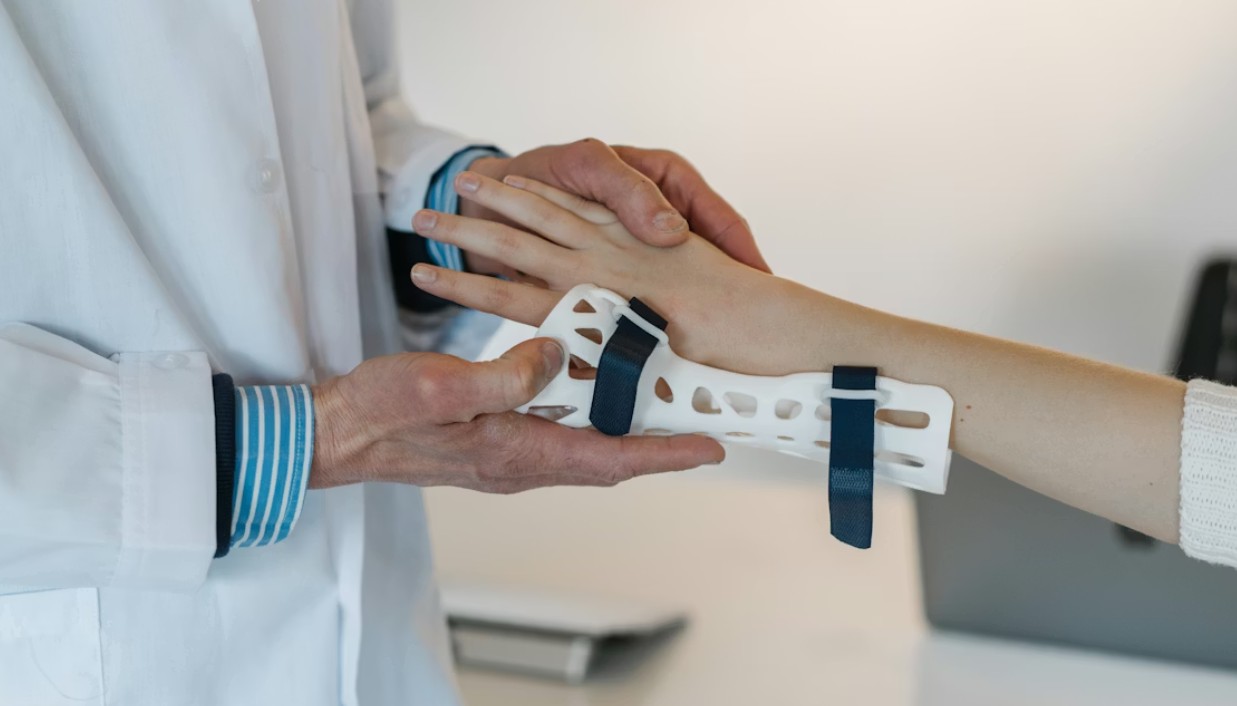
Have you ever noticed a nagging pain in your wrist and wondered whether it’s something you should be concerned about? Maybe it started after a long day at work, a workout session, or even while doing routine tasks like typing, gardening, or lifting groceries. For many residents of Plantation who lead active and busy lifestyles, wrist injuries and discomfort can easily be brushed off as temporary strain.
However, wrist pain does not always resolve on its own. When the discomfort lingers, keeps returning, or begins to interfere with everyday activities, it may be a sign that something more serious is developing.
Because the wrist plays a crucial role in many daily movements, even minor issues can gradually affect your ability to grip, lift, or complete routine tasks comfortably. Recognizing the early warning signs and knowing when to seek treatment can help prevent long-term complications and support better joint health.
Here are the signs to look for:
Wrist pain that persists, worsens with activity, or limits daily movement should not be ignored. Consulting a healthcare provider for a proper assessment, particularly when seeking wrist pain treatment in Plantation, helps ensure the underlying cause is identified and addressed before the condition progresses. Early evaluation can also prevent minor strain or overuse injuries from developing into more persistent problems.
A thorough evaluation often includes assessing movement patterns, inflammation, and possible nerve or tendon involvement. Some clinics, including Advanced Relief Institute, provide comprehensive assessments to help determine the source of wrist pain and guide appropriate treatment approaches based on the patient’s specific needs. This type of evaluation helps clinicians recommend care that supports both recovery and long-term wrist function.
Swelling around the wrist is often a sign that the body is responding to injury, irritation, or inflammation in the surrounding tissues. The area may appear puffy, feel tender, or seem warm to the touch. In some cases, swelling can also make it harder to move the wrist comfortably or perform routine tasks.
While mild swelling may improve with rest, persistent or worsening swelling should not be ignored. If it lasts for several days or is accompanied by pain, stiffness, or limited movement, a medical evaluation may be needed to identify the underlying cause.
A healthy wrist should move comfortably in several directions, allowing you to bend, rotate, and extend it without difficulty. If you start noticing stiffness or reduced movement, it may indicate inflammation or a structural issue in the joint. Over time, limited mobility can interfere with routine tasks.
Common difficulties may include:
Seeking early evaluation can help restore mobility, improve wrist function, and prevent the condition from worsening.
Numbness, tingling, or a pins-and-needles sensation in the wrist, hand, or fingers can indicate nerve compression. One of the most common causes is carpal tunnel syndrome, which occurs when the median nerve becomes compressed within the wrist.
Common patterns associated with these symptoms include:
If these sensations persist or occur frequently, medical evaluation may help prevent potential nerve damage.
Wrist pain may require medical attention when it begins to affect routine tasks. When discomfort starts to interfere with normal movement, it can signal an underlying condition that needs evaluation.
Daily activities that may become difficult include:
When wrist pain begins to disrupt everyday function or productivity, it is often a sign that the condition should be assessed by a healthcare professional.
Weakness in the hand or difficulty gripping objects can be an early sign of problems involving the wrist’s muscles, tendons, or nerves. Many people first notice it when everyday tasks start to feel harder than usual. You may find that objects slip from your hand more often or that holding items firmly requires extra effort. Activities like carrying groceries, opening containers, or gripping tools may gradually become more challenging. While mild weakness may seem temporary, persistent changes should not be ignored. Seeking medical evaluation early can help identify the cause, restore strength, and prevent the condition from progressing further.
Wrist pain that occurs after a fall or sudden injury should be taken seriously. People often use their hands to break a fall, which can place significant stress on the wrist. Even when the initial pain seems mild, fractures or ligament injuries may still be present.
Signs that may require prompt medical evaluation include:
Early assessment helps ensure the injury is properly diagnosed and managed.It also allows timely treatment, which can help prevent the condition from worsening.
Wrist pain that repeatedly returns after certain movements or activities may indicate an underlying repetitive strain issue. Discomfort that comes and goes is often a sign that the wrist is under ongoing stress.
Recurring wrist pain may be linked to:
Ignoring repeated discomfort can contribute to conditions such as tendonitis or nerve compression. Addressing the issue early can help reduce the risk of long-term complications.
Wrist pain may seem minor at first, but persistent symptoms can signal an underlying issue that requires medical attention. Paying attention to warning signs such as swelling, stiffness, numbness, weakness, or recurring discomfort can help you seek treatment at the right time.
Early diagnosis and proper care not only relieve pain but also protect long-term wrist function, allowing you to continue everyday activities comfortably and safely.


Birth injuries occur when complications in labor or delivery cause injuries to a newborn. But some conditions show up right away, while others may appear only after careful observation in the first …
Posted Mar 18, 2026 Care Management
Connecting innovation decision makers to authoritative information, institutions, people and insights.

Medigy accurately delivers healthcare and technology information, news and insight from around the world.
Medigy surfaces the world's best crowdsourced health tech offerings with social interactions and peer reviews.
© 2026 Netspective Foundation, Inc. All Rights Reserved.
Built on Apr 8, 2026 at 3:47am