

Managing Editor
@ShahidNShah
@ShahidNShah
There’s a moment after eyelid surgery when relief meets curiosity. The procedure is done, the mirrors are back, and now the question shifts to what happens next. Recovery is where a lot of people either protect their results or unknowingly slow things down.
Blepharoplasty, also known as eyelid surgery, focuses on removing excess skin or fat around the eyes to reduce puffiness and improve contour. Recovery plays a big role in how those results settle. If you’re considering this procedure in a place like Austin, where the weather can swing from dry heat to humidity, understanding how small activities during recovery can impact how your skin heals and settles over time can make a noticeable difference.
The good news is, post-surgery care isn’t complicated. It just requires consistency and a bit of patience. Below are five post-surgery care tips for a smoother healing journey.
Swelling after eyelid surgery is normal and usually peaks within the first few days before gradually improving. What matters is how you manage it without irritating the area. Cold compresses help, especially in the first 48 hours.
You don’t need anything fancy. A clean, cool compress applied gently for short intervals works just fine. The keyword here is gentle. Pressing too hard or keeping it on for too long can do more harm than good.
Sleeping with your head slightly elevated also helps fluid drain away from the eyes. It might feel uncomfortable at first, but it usually makes mornings easier. Less puffiness, less tightness. Give your body room to do its job. Swelling will settle, just not overnight.
This is where people slip up. You start to feel better, the discomfort fades, and suddenly it feels like you can go back to normal routines. Not quite yet.
Many people going through recovery start to realize that blepharoplasty in Austin comes with more structured aftercare than they initially expected, especially when it comes to cleaning, medication, and activity limits. Those details may seem small, but they’re there to protect delicate tissue as it heals. Practices such as Face Austin often outline how to clean the area without disrupting stitches, how to apply ointments correctly, and when it’s safe to resume things like exercise or makeup. Skipping steps or rushing timelines can lead to irritation or uneven healing.
Even if everything looks fine on the surface, the deeper layers are still adjusting. Following instructions fully is what keeps recovery smooth.
The healing process doesn’t move in a straight line. Some days your eyes may look better, and the next day, you might notice new discoloration or lingering puffiness. That’s normal.
Bruising can take one to two weeks to fade, sometimes longer depending on your body. Makeup can help once your surgeon says it’s safe, but until then, it’s mostly a waiting game.
What matters is not judging the results too early. The final look takes time. Skin needs to settle, swelling needs to resolve, and tissues need to adjust. In practice, many people feel unsure during this phase because the changes aren’t immediate. But steady improvement is usually happening beneath the surface.
Your skin is more sensitive after surgery. The eyelid area, in particular, is thin and reacts quickly to sunlight and strain.
Stepping outside without sun protection can slow healing or lead to prolonged redness. Sunglasses are not just for comfort here. They shield the area from UV exposure and reduce squinting, which puts unnecessary tension on healing skin.
Screen time is another factor people overlook. Long hours on your phone or laptop can dry out your eyes and make them feel tired faster. That strain can translate into rubbing or blinking more forcefully, which isn’t ideal during recovery. Take breaks. Let your eyes rest. It sounds simple, but it goes a long way.
Mild discomfort, tightness, or slight dryness can be expected. Some people also notice temporary sensitivity to light or a feeling of heaviness in the eyelids. These usually improve as the days go by.
But increasing pain, unusual discharge, sudden swelling, or anything that feels off compared to previous days should not be ignored. Even if it turns out to be nothing serious, it’s always better to check in early than to wait and second-guess.
A quick follow-up can clear concerns or catch something before it becomes a bigger issue. Healing is not just about waiting it out. It’s also about paying attention and responding when something doesn’t feel right.
The small things you do each day, how you rest, how you protect your eyes, how closely you follow instructions, all add up over time. Recovery isn’t about doing everything perfectly, but about staying consistent with the basics while your body does the deeper work.
There will be moments where you wonder if things are progressing fast enough or if what you’re seeing is normal. That uncertainty is part of the process. What helps is sticking to the basics, giving your body enough time, and not rushing ahead just because you feel better.
In the end, good aftercare is less about doing more and more and more about doing the right things consistently.

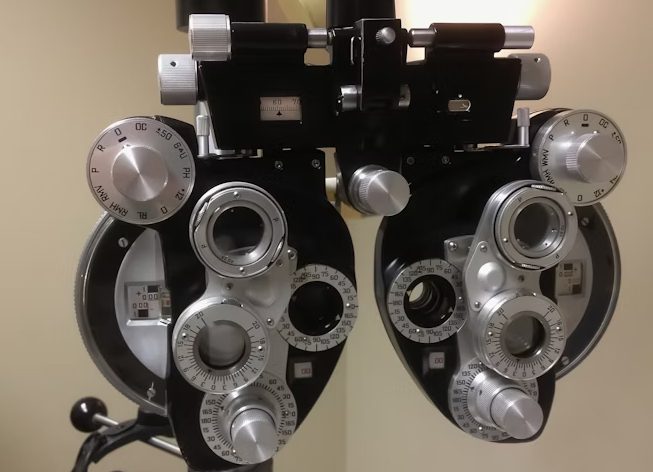
Patients often suffer from frequent headaches, dizziness, blurred vision, difficulty reading, and eye strain that they don’t understand may be related to binocular issues. Due to the wide-ranging …
Posted Mar 31, 2026 Health Technology Ophthalmology
Connecting innovation decision makers to authoritative information, institutions, people and insights.

Medigy accurately delivers healthcare and technology information, news and insight from around the world.
Medigy surfaces the world's best crowdsourced health tech offerings with social interactions and peer reviews.
© 2026 Netspective Foundation, Inc. All Rights Reserved.
Built on Apr 1, 2026 at 1:11pm