

Managing Editor
@ShahidNShah
@ShahidNShah
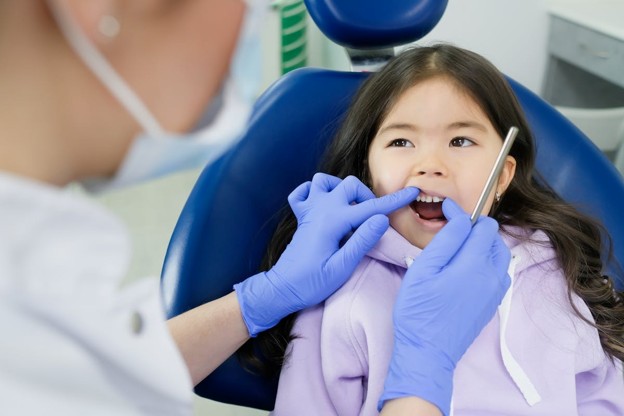
According to the American Academy of Pediatric Dentistry’s 2024 guidelines, dental anxiety affects approximately 20% of children and often becomes a self-perpetuating cycle — the more anxious a child feels, the more they resist care, leading to deteriorating oral health that requires more intensive treatment. As pediatric dental practices increasingly recognize that traditional “just endure it” approaches can create lifelong dental phobia, the focus has shifted toward anxiety prevention and positive experience creation.
This shift matters because childhood dental anxiety doesn’t just affect single appointments — it shapes decades of oral health decisions. Children who develop dental fear are three times more likely to avoid routine care as adults, setting the stage for complex and costly problems that could have been prevented with regular checkups. For parents navigating their child’s first dental experiences or trying to reverse existing anxiety, accessing comprehensive children’s dental services can provide the guidance and supportive environment needed to transform dental visits from sources of dread into positive health habits, ensuring long-term oral health success.
What follows explores practical, evidence-based strategies that address both the psychological and practical sides of pediatric dental care, from preparation techniques that work to communication approaches that build trust rather than fear.
The connection between dental anxiety and oral health outcomes runs deeper than missed appointments. Research from pediatric dental practices shows that anxious children are significantly more likely to require sedation for routine procedures, need emergency interventions for preventable problems, and develop what dentists call “treatment-resistant” behaviors that complicate even basic cleanings.
Consider a typical scenario: an eight-year-old who becomes fearful during their first cavity filling may start resisting regular checkups. Within two years, that child often presents with multiple new cavities that could have been caught early, requiring more extensive treatment that reinforces their fear. The cycle becomes self-reinforcing — anxiety leads to avoidance, avoidance leads to bigger problems, and bigger problems require more invasive treatment that increases anxiety.
The physiological impact of dental fear also affects treatment quality. Children experiencing high anxiety produce less saliva, making their mouths more susceptible to bacteria growth. Their tensed jaw muscles make examinations more difficult, and stress hormones can actually slow healing after dental procedures. From a purely medical standpoint, anxious children don’t heal as quickly or as completely as calm children receiving identical treatment.
Perhaps most concerning, dental anxiety established in childhood typically persists into adulthood. Adults with dental phobia trace their fear back to negative childhood experiences at rates exceeding 75%. This means that how children experience dental care during their formative years essentially programs their relationship with oral health for life. Early positive experiences create adults who maintain regular dental care, while traumatic early visits often result in adults who avoid dentists until problems become severe and require emergency intervention.
Preparation begins weeks before the appointment, not in the dental office waiting room. Effective preparation focuses on building familiarity rather than managing fear — the goal is preventing anxiety from developing rather than calming it once it appears.
Start by introducing dental concepts through play at home. Simple games like “counting teeth” or using a flashlight to “explore” family members’ mouths help normalize the idea of someone looking inside their mouth. Children’s books about dental visits work better than detailed explanations — stories allow kids to process the experience at their own pace without feeling overwhelmed by information.
The language parents use matters significantly. Avoid phrases like “it won’t hurt” or “there’s nothing to be scared of” because they introduce concepts of pain and fear that children might not have considered. Instead, use positive, matter-of-fact descriptions: “The dentist will count your teeth to make sure they’re all growing well” or “They have a special toothbrush that tickles a little bit.”
Timing the conversation is crucial. Discussing the appointment too far in advance can create anticipation anxiety, while springing it on children last-minute prevents mental preparation. Most child psychologists recommend introducing the topic 3-5 days before the visit for children under seven, and up to a week for older children who benefit from more processing time.
Role-playing proves particularly effective. Let children be the dentist and examine stuffed animals or dolls. This gives them a sense of control and familiarity with the basic process. Some families find success in visiting the dental office beforehand just to see the environment without having treatment — many pediatric practices welcome these “happy visits” that let children explore when there’s no pressure for examination or treatment.
Creating positive dental experiences requires collaboration between parents, dental staff, and children themselves. Modern pediatric dental practices have moved far beyond the sterile, clinical environments that characterized dental offices even a decade ago, incorporating child-friendly design elements, entertainment options, and communication techniques specifically developed for young patients.
The most successful approaches recognize that different children respond to different strategies. Some thrive with detailed explanations of what’s happening, while others prefer distraction that takes their mind off the procedure entirely. Skilled pediatric dental teams assess each child’s personality and anxiety level to customize their approach accordingly.
Distraction techniques work by redirecting children’s attention away from dental procedures toward engaging activities. Modern pediatric offices often feature ceiling-mounted televisions, tablet computers, or interactive wall displays that children can control during treatment. Music proves particularly effective — children wearing headphones and listening to familiar songs often remain calmer throughout procedures.
Simple distraction methods work just as well as high-tech solutions. Many dental hygienists develop repertoires of age-appropriate jokes, stories, or games that engage children’s imaginations. Counting games during procedures (“Let’s count to ten while I clean this tooth”) give children a sense of participation and control over timing.
Reward systems require careful implementation to be effective rather than problematic. The most successful programs focus on participation rather than perfection — children earn rewards for trying their best, not for having “perfect” behavior. Sticker charts, small toys, or privilege-based rewards (like choosing the flavor of fluoride treatment) work better than large prizes that can create performance pressure.
Timing rewards matters significantly. Immediate recognition works better than delayed gratification for younger children. Many practices give children small tokens during the appointment that they can “spend” on prizes afterward, maintaining engagement throughout the visit while building anticipation for something positive at the end.
Age-appropriate communication forms the foundation of anxiety-free dental visits. Dental professionals trained in pediatric care learn to explain procedures using familiar concepts and positive language. Instead of “drilling,” they might describe “tickling the tooth to clean it” or “giving the tooth a bath.”
The most effective dental teams practice tell-show-do techniques — first explaining what will happen, then demonstrating on a model or the child’s finger, then performing the actual procedure. This progression allows children to build understanding gradually without feeling surprised or overwhelmed by new sensations.
Giving children choices wherever possible helps them maintain a sense of control. Options like “Would you like to hold the suction tube or should I hold it?” or “Do you want to rinse now or in a minute?” seem minor but significantly impact how children experience treatment. Even illusory choices (“Should we start with the top teeth or the bottom teeth?”) help children feel involved in their care.
Reassurance works best when it’s specific and honest rather than generic. “You’re doing great at keeping your mouth open” proves more meaningful than “everything’s fine.” If children experience discomfort, acknowledging it honestly while explaining it’s temporary builds trust better than dismissing their feelings. For many pediatric dental professionals working with specialized children’s dental services, this balance between honesty and reassurance often determines whether children develop positive or negative associations with dental care.
Delayed dental care due to anxiety creates a cascade of oral health problems that often require more complex treatment than would have been necessary with regular preventive visits. The most common consequence involves early childhood caries — cavities that develop rapidly in young children and spread quickly when left untreated.
Children who avoid dental visits often present with multiple cavities in various stages of development. What could have been addressed with simple fillings during regular checkups becomes more extensive treatment requiring crowns, extractions, or even sedation dentistry. This pattern particularly affects the permanent molars that emerge around age six — these critical teeth are especially vulnerable during their first few years and benefit enormously from early sealant application and fluoride treatments.
Gum disease in children, while less common than cavities, becomes more likely when dental visits are inconsistent. Children who don’t receive regular professional cleanings develop plaque buildup that home brushing can’t effectively remove. Early gingivitis in children often goes unnoticed by parents until it progresses to more serious periodontal issues that affect the developing permanent teeth below the gum line.
Orthodontic problems frequently worsen when children avoid dental care. Early intervention for spacing issues, bite problems, or tooth alignment can often prevent the need for extensive orthodontic treatment later. Children who don’t receive regular dental monitoring may develop habits like thumb sucking or tongue thrusting that go uncorrected until they’ve caused significant dental development issues.
Perhaps most concerning, emergency dental situations become more common among children with dental anxiety. Untreated cavities can progress to infections that cause severe pain, swelling, and systemic health problems. These emergency situations typically require immediate, intensive treatment under stressful conditions that reinforce children’s dental fears and create an even stronger pattern of avoidance.
Daily oral hygiene habits form the foundation that makes dental visits easier and less anxiety-provoking. Children with excellent home care typically require only routine cleanings and examinations, while those with poor oral hygiene often need more intensive treatment that increases dental anxiety. Establishing effective home routines creates a positive cycle where dental visits remain pleasant and brief.
Supervised brushing remains essential until children develop the motor skills and consistency needed for effective cleaning, typically around age eight. The most effective approach involves parents either brushing children’s teeth directly or providing guidance and inspection after children brush independently. Electric toothbrushes designed for children often prove more effective than manual brushing and can make the routine more engaging.
Dietary choices significantly impact how often children require dental intervention. Limiting sugary snacks and drinks between meals reduces cavity formation, while encouraging water consumption helps wash away food particles and bacteria. Children who drink primarily water between meals and consume sweets only with meals typically require fewer restorative dental procedures.
Fluoride exposure through toothpaste, mouth rinses, or professional applications strengthens tooth enamel and prevents cavities. Parents should ensure children use age-appropriate fluoride toothpaste amounts — a rice grain-sized amount for children under three, and a pea-sized amount for older children. Many pediatric dentists recommend fluoride mouth rinses for children at higher cavity risk.
Creating positive associations with oral hygiene at home makes dental office visits feel like familiar extensions of daily routines rather than foreign medical procedures. When children understand dental care as a normal part of health maintenance — like bathing or eating nutritious food — professional dental visits become less mysterious and more routine. The goal is building lifelong habits that keep dental problems minimal and dental visits focused on prevention rather than treatment, creating positive experiences that children carry into adulthood.


One in six couples worldwide experiences infertility, yet misconceptions about fertility treatmentsremain widespread—even among healthcare providers. According to the World Health Organization’s …
Posted Mar 25, 2026 Reproductive Techniques
Connecting innovation decision makers to authoritative information, institutions, people and insights.

Medigy accurately delivers healthcare and technology information, news and insight from around the world.
Medigy surfaces the world's best crowdsourced health tech offerings with social interactions and peer reviews.
© 2026 Netspective Foundation, Inc. All Rights Reserved.
Built on Mar 26, 2026 at 3:36pm