

Managing Editor
@ShahidNShah
@ShahidNShah
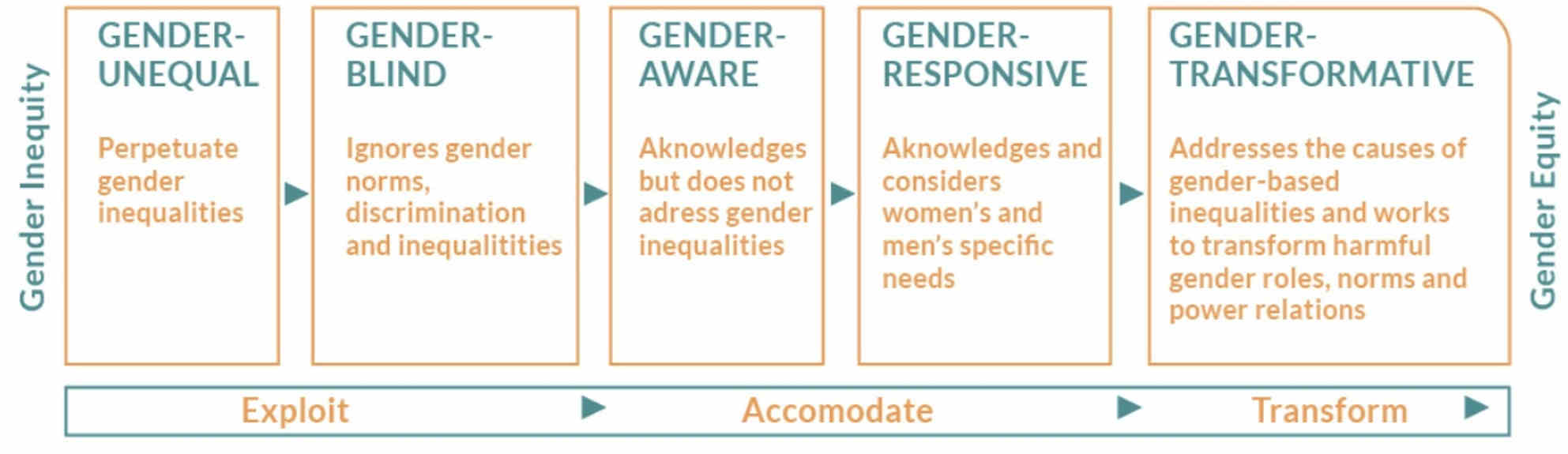
Despite the increasing use of digital health interventions (DHIs) in low- and middle-income countries (LMICs), gender disparities persist in access, utilization, and outcomes. Barriers to women’s phone ownership and use include affordability, digital literacy, and social norms; these are not only technological, but institutional as reflected in the limited integration of gender equity in national digital health strategies. While the body of evidence on DHI effectiveness is growing how to implement gender equitable digital programs is less clear.
The study highlights that digital health interventions often overlook gender disparities in access and use, especially in low- and middle-income settings where women may have less phone access, lower digital literacy, and face social norms restricting use—showing the need for U.S. digital health initiatives to proactively address gender equity in design and implementation.
Continue reading at link.springer.com
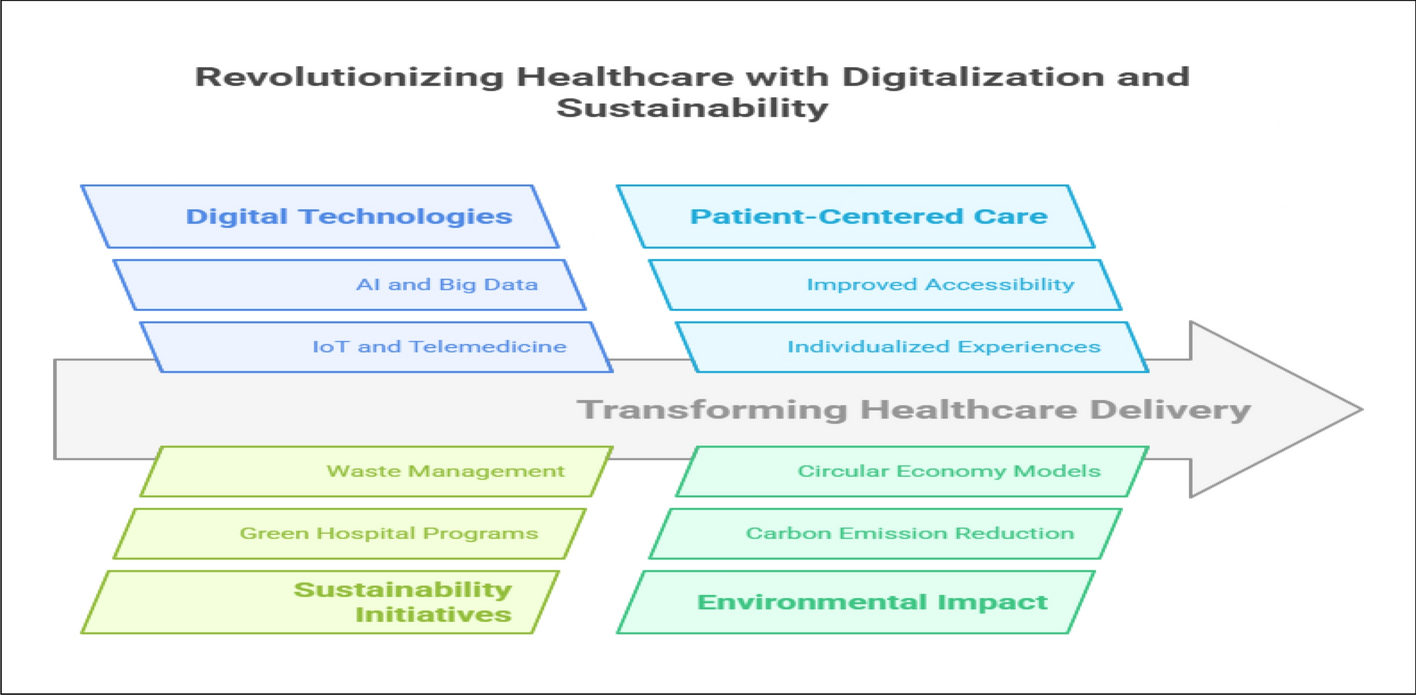
This study offers a comprehensive bibliometric and scientometric evaluation of research on artificial intelligence (AI), sustainability, and healthcare that was carried out between 1995 and 2025. The …
Connecting innovation decision makers to authoritative information, institutions, people and insights.

Medigy accurately delivers healthcare and technology information, news and insight from around the world.
Medigy surfaces the world's best crowdsourced health tech offerings with social interactions and peer reviews.
© 2026 Netspective Foundation, Inc. All Rights Reserved.
Built on Apr 8, 2026 at 1:06pm
