

Managing Editor
@ShahidNShah
@ShahidNShah
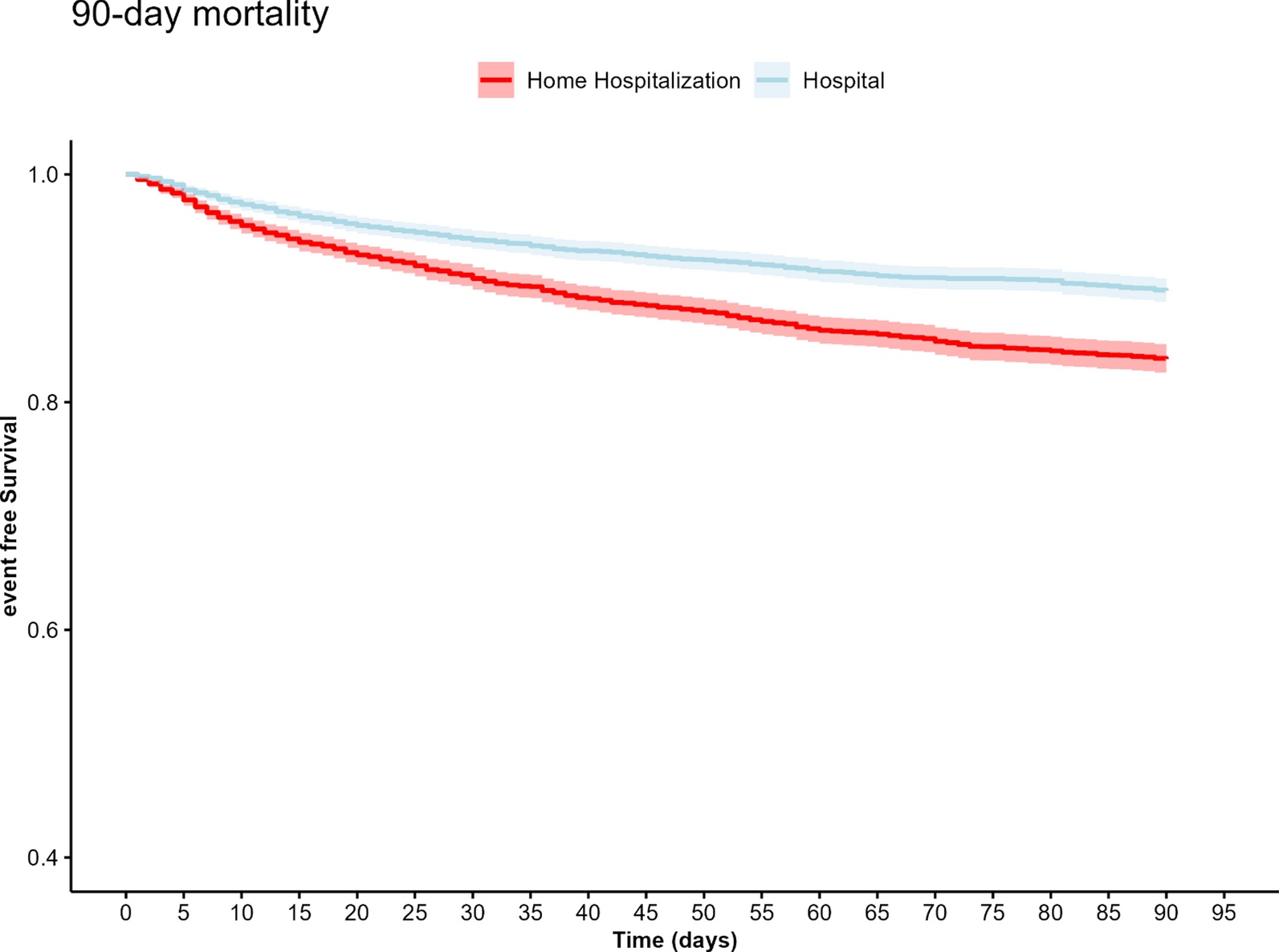
Hospital at Home (HAH) is a potential solution to the increasing demand for hospital beds, but concerns remain about its scalability. This study examines safety, effectiveness, and patient satisfaction in a large-scale HAH program.
This retrospective cohort study utilized data from Clalit Health Services (CHS). The study population included all patients participating in the HAH program during 2022 who were discharged with a primary diagnosis of pneumonia, congestive heart failure, urinary tract infection, or cellulitis. These individuals were matched with patients admitted to general medical wards, and logistic regression analysis was performed to evaluate the association between admission type and outcomes. The primary safety endpoint was all-cause mortality at 30 days, while the primary effectiveness endpoint was rehospitalization within 30 days. Patient experience was measured using a telephone questionnaire.
A large majority of participants preferred home hospital care over traditional hospitalization, and the program demonstrated potential for cost savings and expanded capacity—highlighting Home Hospital as a scalable solution for U.S. health systems facing bed shortages and rising demand for acute care.
Continue reading at link.springer.com

Hospital-at-home programs gained significant traction during the COVID-19 era, spurred by CMS’ 2020 waiver program to ease hospital capacity. What began as an emergency measure has since evolved into …
Connecting innovation decision makers to authoritative information, institutions, people and insights.

Medigy accurately delivers healthcare and technology information, news and insight from around the world.
Medigy surfaces the world's best crowdsourced health tech offerings with social interactions and peer reviews.
© 2026 Netspective Foundation, Inc. All Rights Reserved.
Built on Apr 6, 2026 at 9:25am
