

Managing Editor
@ShahidNShah
@ShahidNShah
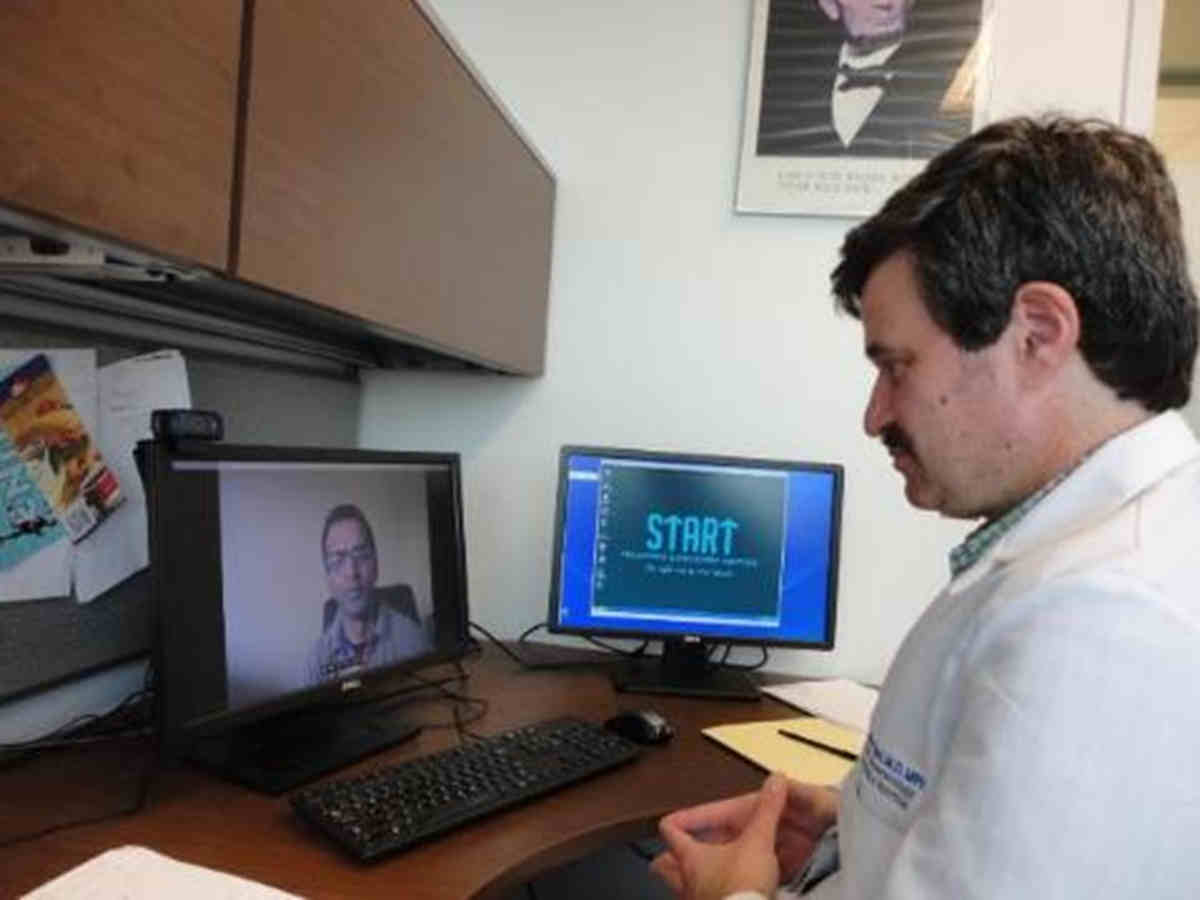
People with opioid use disorder (OUD) have the highest rates of hepatitis C virus (HCV) infection. Despite the availability of curative HCV medication, people with OUD have limited health care access largely due to stigma. In a recent, pragmatic, randomized controlled trial (RCT), we compared a facilitated telemedicine intervention for HCV treatment integrated into opioid treatment programs (OTPs) with off-site referral. Facilitated telemedicine is bidirectional videoconferencing between a remote provider and a patient, supported by a case manager who facilitates the telemedicine encounter. The case manager schedules telemedicine visits, provides appointment reminders, and operates the digital equipment.
Facilitated telemedicine can effectively expand access to hepatitis C treatment in underserved populations by integrating care into opioid treatment programs while addressing barriers like the digital divide.
Continue reading at publichealth.jmir.org

Facing the threats of emerging and reemerging health issues requires One Health surveillance systems to provide information for integrated responses. Malawi started enhancing the electronic integrated …
Connecting innovation decision makers to authoritative information, institutions, people and insights.

Medigy accurately delivers healthcare and technology information, news and insight from around the world.
Medigy surfaces the world's best crowdsourced health tech offerings with social interactions and peer reviews.
© 2026 Netspective Foundation, Inc. All Rights Reserved.
Built on Mar 26, 2026 at 3:36pm
