

Managing Editor
@ShahidNShah
@ShahidNShah
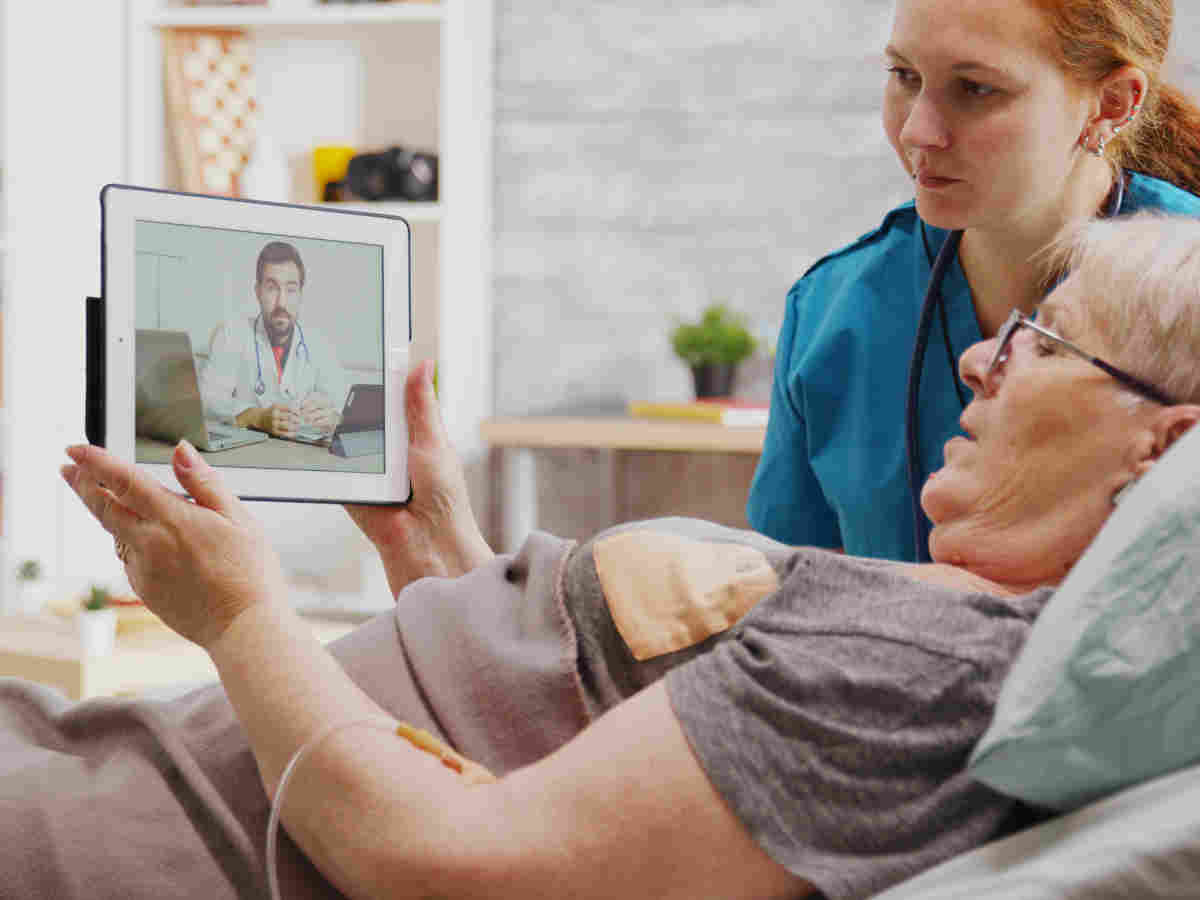
The rapid expansion of virtual care during COVID-19 accelerated the development of virtual hospital-at-home models, which deliver hospital-level care in patients’ homes through remote monitoring, virtual communication, and in-person support when required. While the virtual hospital-at-home model offers the potential to improve patient-centered care and health equity, rapid implementation often overlooks culturally diverse and underserved populations, including South Asian communities who experience disproportionate chronic disease burden and barriers to accessing culturally relevant services. Strategies are needed to ensure equitable design and adoption of virtual hospital-at-home models.
Using an experience-based co-design process, patients, caregivers, clinicians, and community groups helped shape virtual hospital-at-home (HaH) services by identifying barriers like digital literacy, language differences, and trust issues, and co-creating culturally tailored education and engagement strategies to make virtual care more accessible and equitable.
Continue reading at humanfactors.jmir.org

A rapid review was conducted in accordance with the World Health Organization guidelines. A systematic search was performed across PubMed, MEDLINE, CINAHL, and the La Trobe University Library for …
Connecting innovation decision makers to authoritative information, institutions, people and insights.

Medigy accurately delivers healthcare and technology information, news and insight from around the world.
Medigy surfaces the world's best crowdsourced health tech offerings with social interactions and peer reviews.
© 2026 Netspective Foundation, Inc. All Rights Reserved.
Built on Apr 10, 2026 at 3:35am
