

Managing Editor
@ShahidNShah
@ShahidNShah
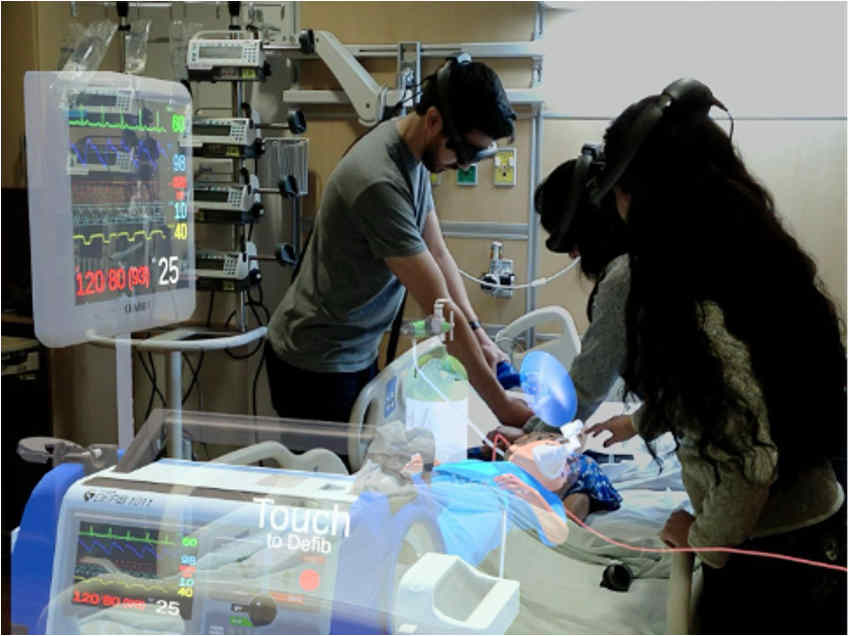
Simulation-based education is crucial for training health care professionals in advanced cardiac life support. However, access to high-fidelity in-person simulation is frequently limited by geographic, logistical, and financial constraints. Augmented reality (AR) offers the potential to deliver remote, immersive training experiences that may overcome these barriers, but its effectiveness compared with traditional simulation remains uncertain.
AI-powered tools like virtual assistants, chatbots, and immersive simulations are transforming medical education by enabling interactive, personalized, and skills-based learning (e.g., clinical reasoning and communication practice).
Continue reading at mededu.jmir.org
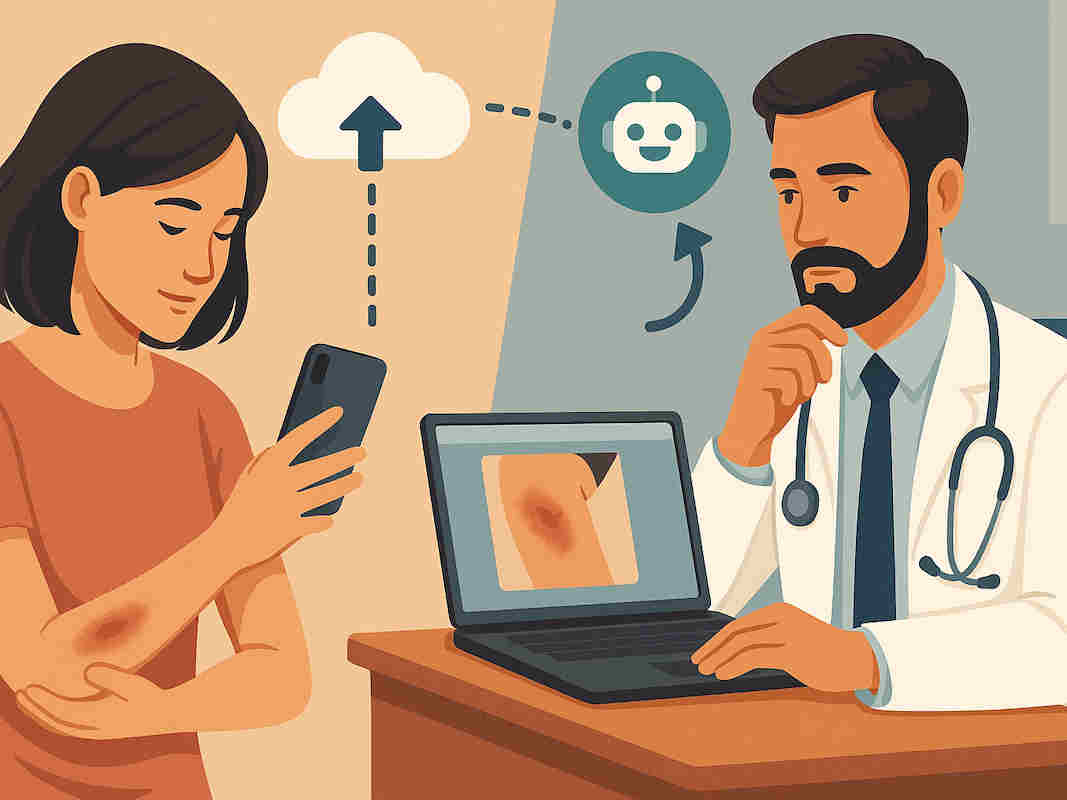
Digital wound monitoring has become increasingly feasible with the widespread use of smartphones and mobile messaging platforms. Although most previous studies have focused on chronic wounds and …
Connecting innovation decision makers to authoritative information, institutions, people and insights.

Medigy accurately delivers healthcare and technology information, news and insight from around the world.
Medigy surfaces the world's best crowdsourced health tech offerings with social interactions and peer reviews.
© 2026 Netspective Foundation, Inc. All Rights Reserved.
Built on Apr 2, 2026 at 12:49pm
