

Managing Editor
@ShahidNShah
@ShahidNShah
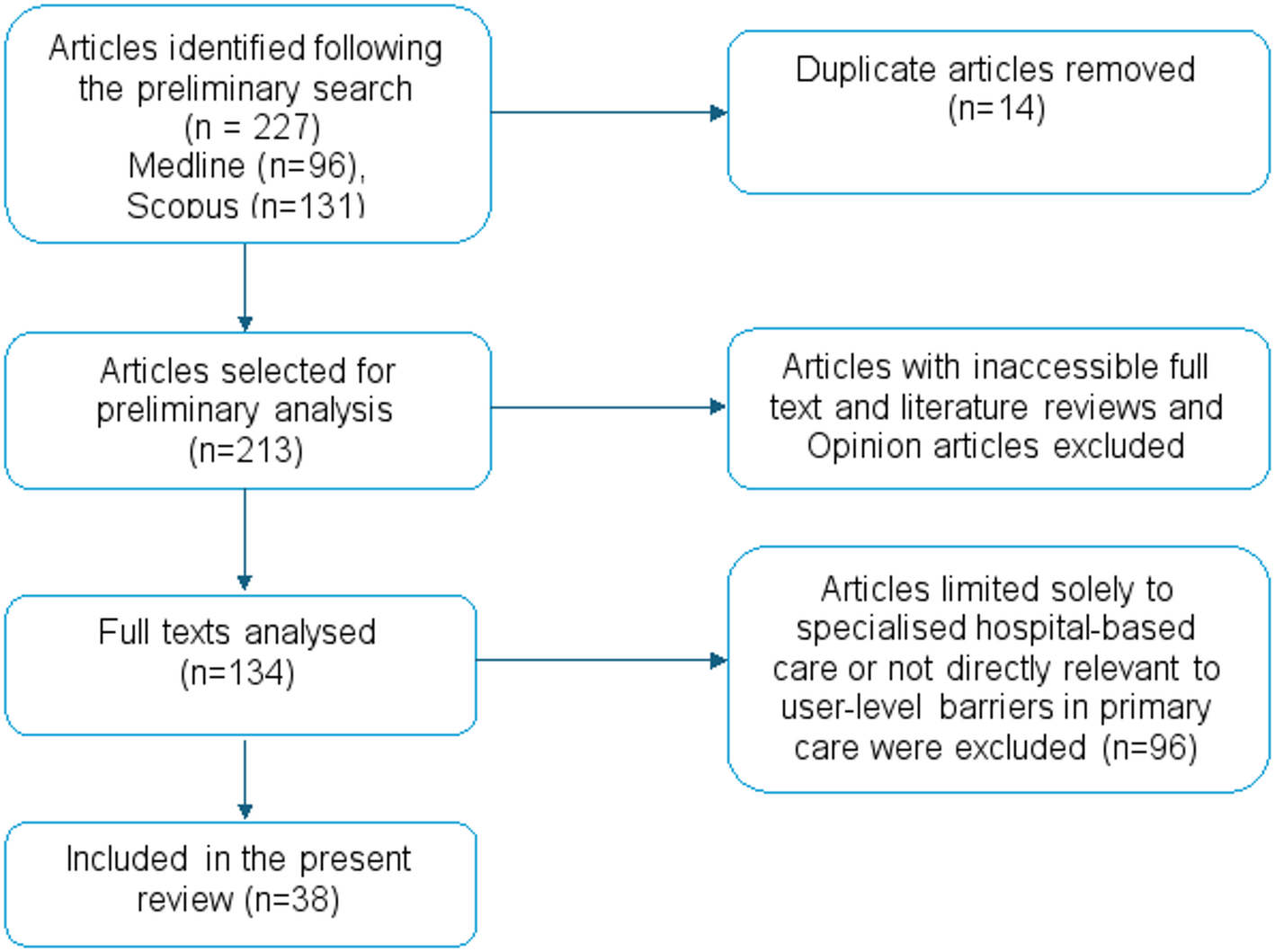
This scoping review aims to identify user-level barriers to the adoption of telemedicine within healthcare systems, with a main focus on healthcare delivery in primary care settings. While the review was conceptually anchored in primary care, studies examining telemedicine adoption across broader healthcare settings were also included where they offered transferable user-level insights relevant to primary care. This approach allowed the identification of cross-cutting barriers that span different service delivery contexts. Although the initial motivation for conducting this review stemmed from challenges observed in New Zealand’s healthcare system, all included empirical studies were carried out in other countries. The geographical diversity and variability of healthcare models represented within the international evidence base enhance the transferability of the findings, ensuring their relevance for a range of comparable health systems.
Barriers such as limited digital literacy, lack of reliable internet access (especially in rural areas), and concerns about data privacy and quality of virtual visits could slow telemedicine uptake unless targeted training, infrastructure investment, and trust-building strategies are put in place.
Continue reading at link.springer.com

Urban causal research is essential for understanding the complex, dynamic processes that shape cities and for informing evidence-based policies. However, current practices are often constrained by …
Connecting innovation decision makers to authoritative information, institutions, people and insights.

Medigy accurately delivers healthcare and technology information, news and insight from around the world.
Medigy surfaces the world's best crowdsourced health tech offerings with social interactions and peer reviews.
© 2026 Netspective Foundation, Inc. All Rights Reserved.
Built on Apr 8, 2026 at 1:06pm
