

Managing Editor
@ShahidNShah
@ShahidNShah
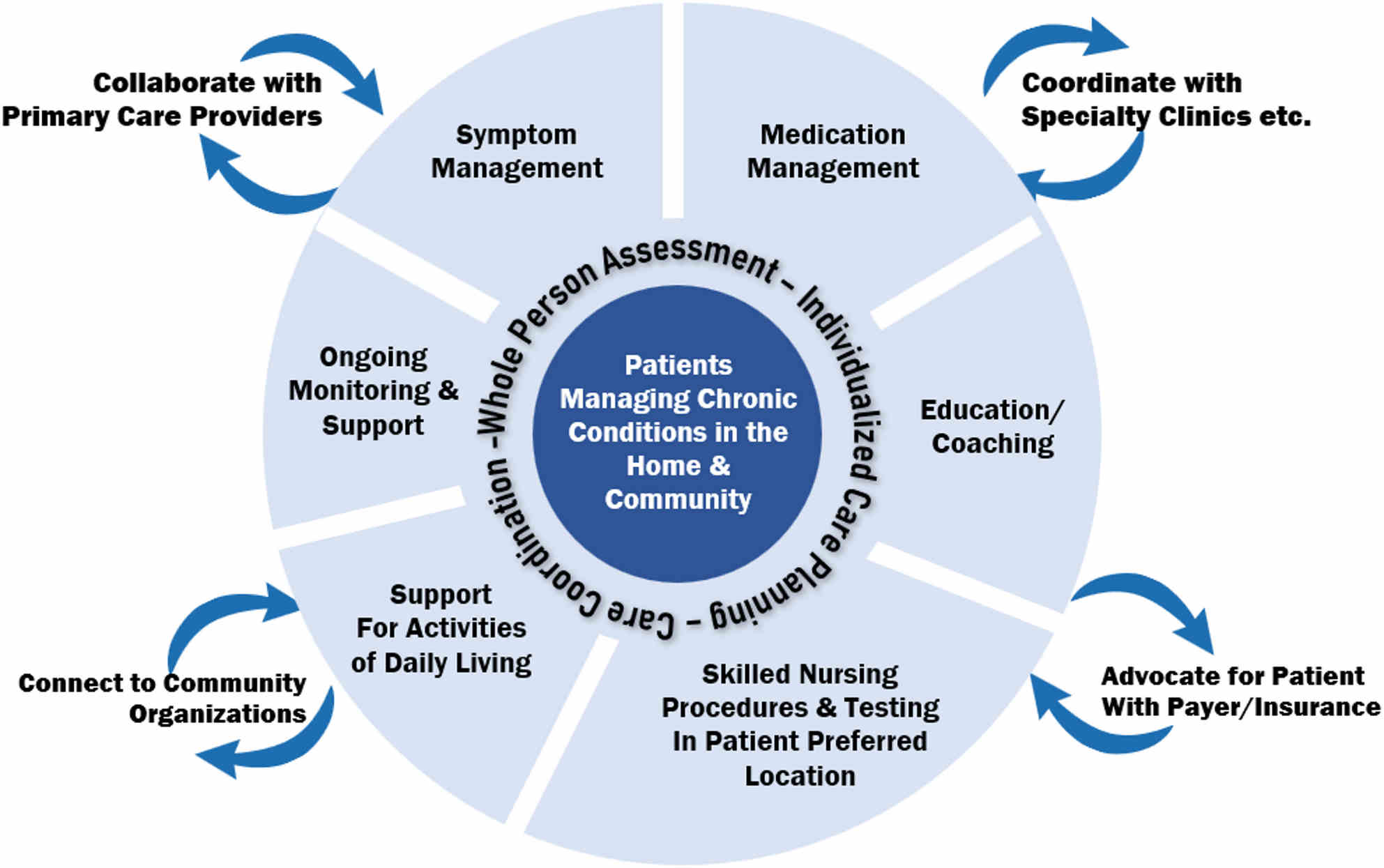
Increasing numbers of people live with chronic conditions. Yet, healthcare systems are often designed based on an acute care model that is not well-aligned with the needs of patients with chronic conditions, resulting in poor patient outcomes and high healthcare costs. To better assist patients living with chronic conditions, there is an urgent need to develop chronic care management models that are effective, scalable, and financially sustainable. The aim of this study was to identify and describe key components of chronic care management practice as a foundation to develop such a program.
Effective chronic care management in community settings relies on five core components—whole-person assessment, patient-centered care planning, direct care support, care coordination, and ongoing monitoring—which together help nurses tailor care to patients’ complex needs beyond specific diagnoses.
Continue reading at link.springer.com

The Centers for Medicare & Medicaid Services (CMS) is increasing quality of care for Medicare beneficiaries while significantly reducing unnecessary spending and promoting payment accuracy. The …
Connecting innovation decision makers to authoritative information, institutions, people and insights.

Medigy accurately delivers healthcare and technology information, news and insight from around the world.
Medigy surfaces the world's best crowdsourced health tech offerings with social interactions and peer reviews.
© 2026 Netspective Foundation, Inc. All Rights Reserved.
Built on Mar 27, 2026 at 12:44pm
