

Managing Editor
@ShahidNShah
@ShahidNShah
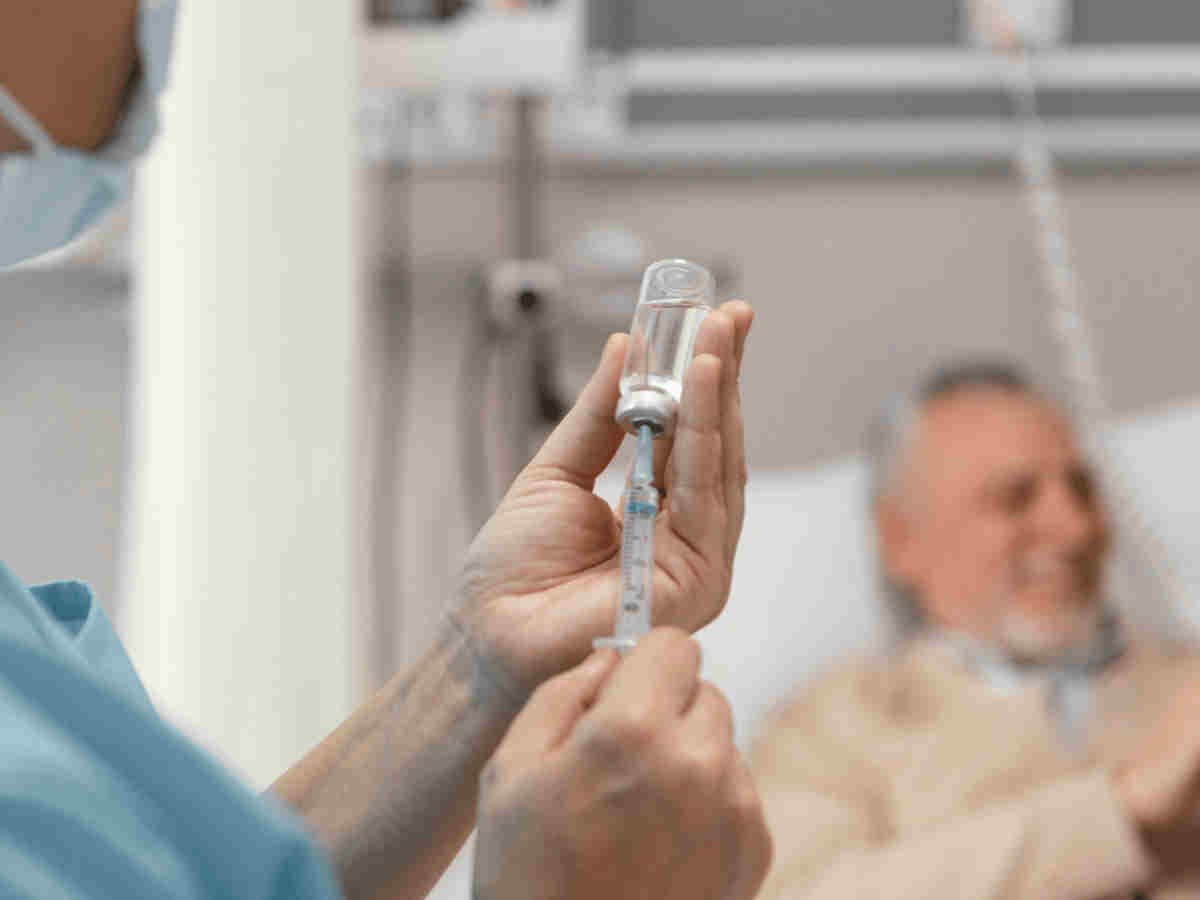
Clinical deterioration in general ward patients is associated with increased morbidity and mortality. Early and appropriate treatments can improve outcomes for such patients. While machine learning (ML) tools have proven successful in the early identification of clinical deterioration risk, little work has explored their effectiveness in providing data-driven treatment recommendations to clinicians for high-risk patients.
Machine learning models paired with early warning systems can not only detect patients at high risk of clinical deterioration on hospital wards but also suggest specific, data-driven treatment recommendations to support clinician decision-making. These AI-based treatment predictions demonstrated strong performance across multiple intervention types and have the potential to reduce delays in lifesaving care.
Continue reading at ai.jmir.org
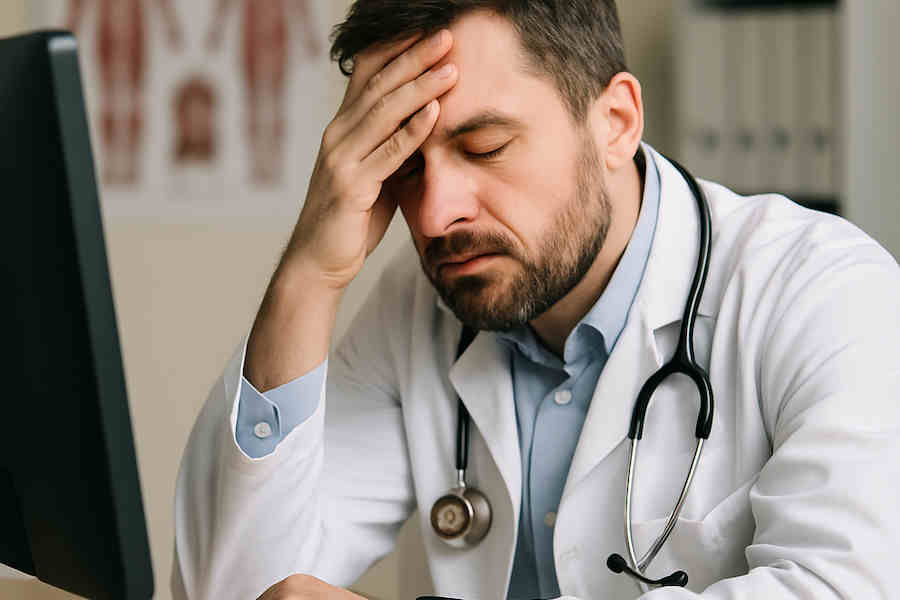
Medical residency is characterized by high stress, long working hours, and demanding schedules, leading to widespread burnout among resident physicians. Although wearable sensors and machine learning …
Connecting innovation decision makers to authoritative information, institutions, people and insights.

Medigy accurately delivers healthcare and technology information, news and insight from around the world.
Medigy surfaces the world's best crowdsourced health tech offerings with social interactions and peer reviews.
© 2026 Netspective Foundation, Inc. All Rights Reserved.
Built on Apr 8, 2026 at 1:06pm
